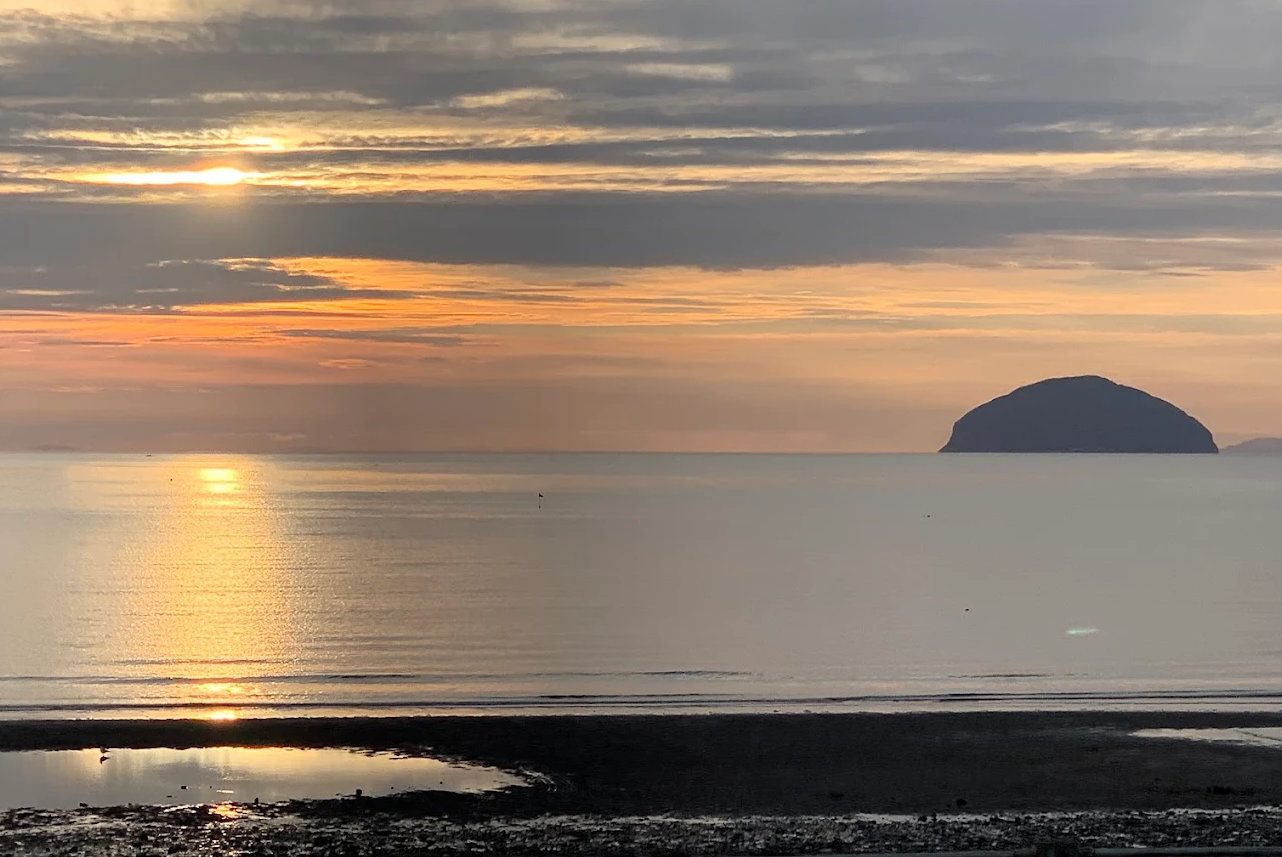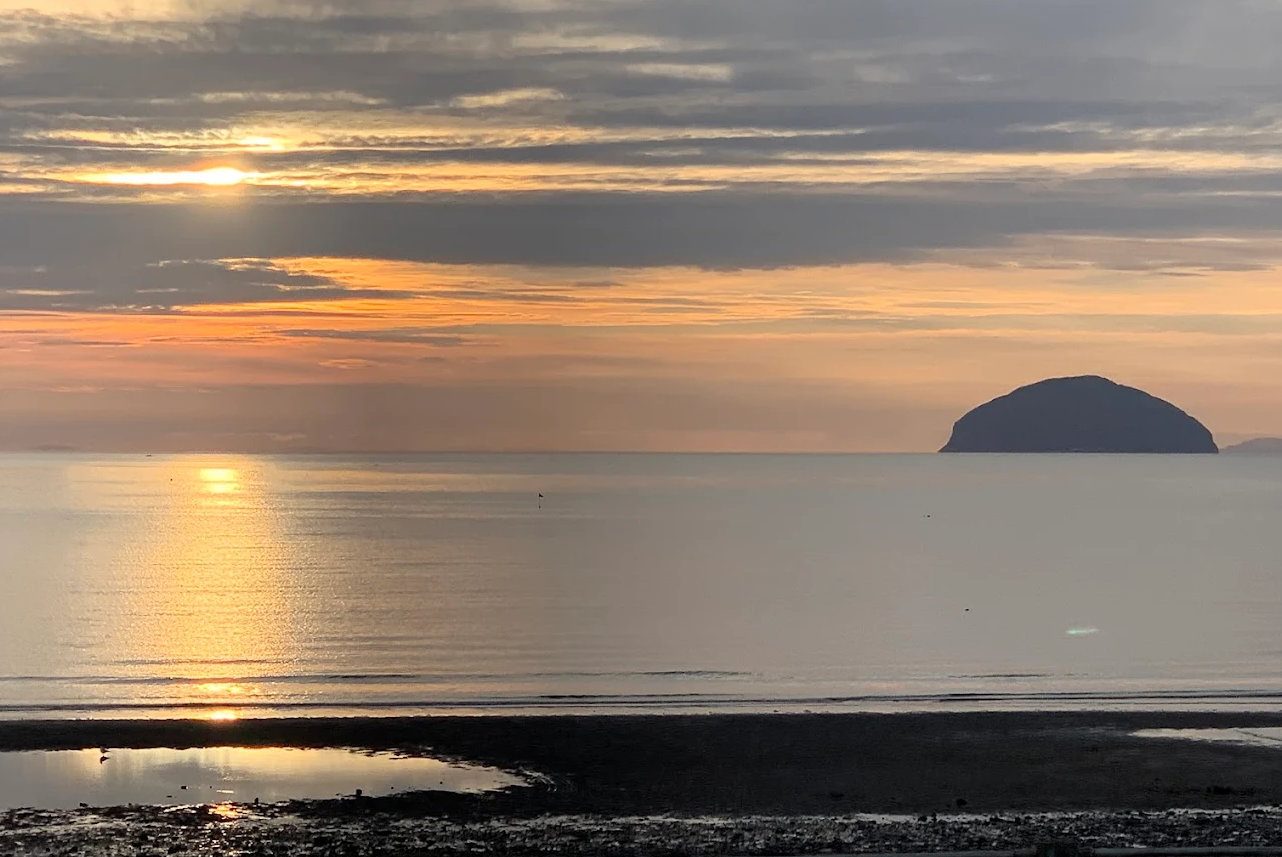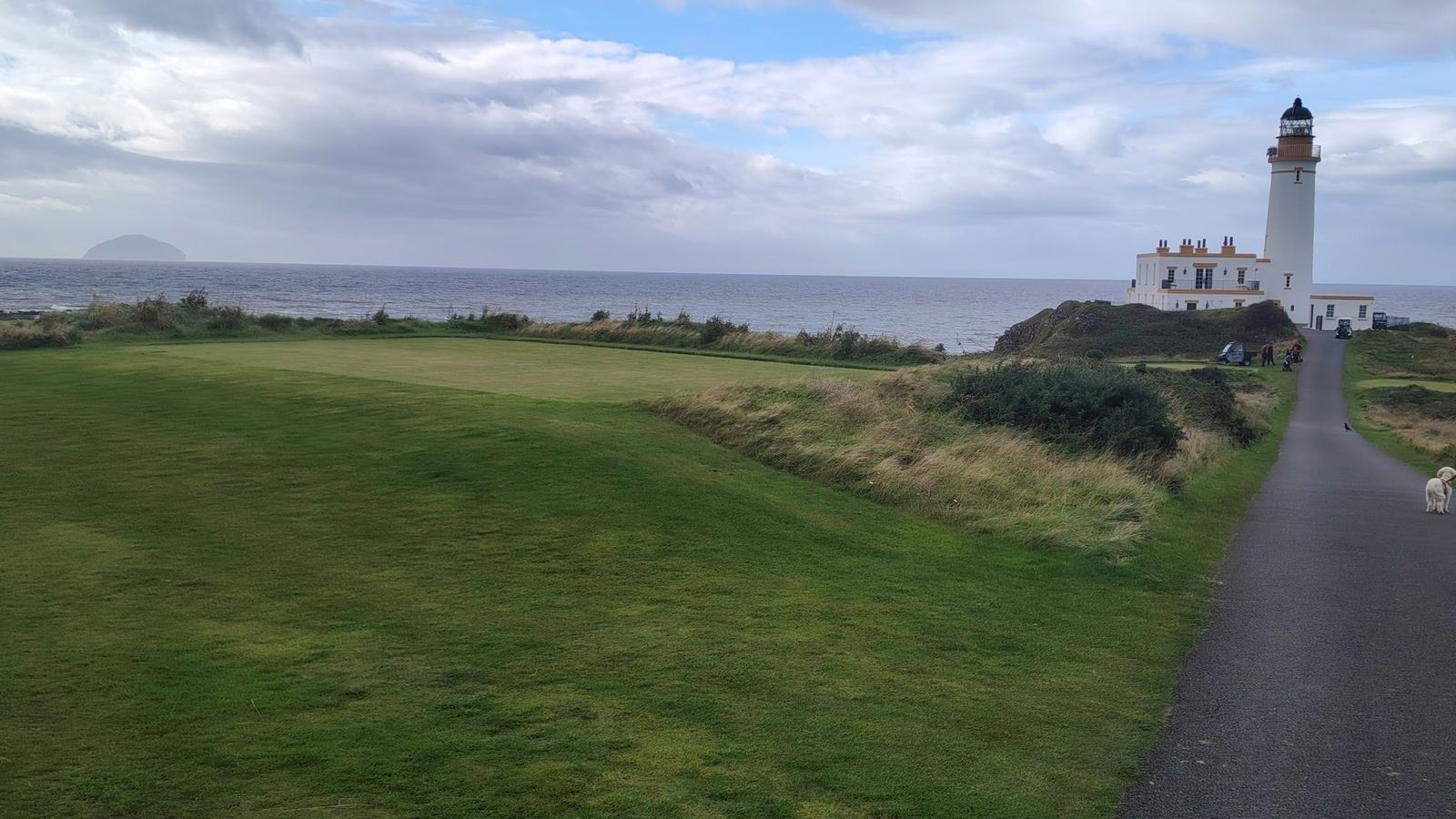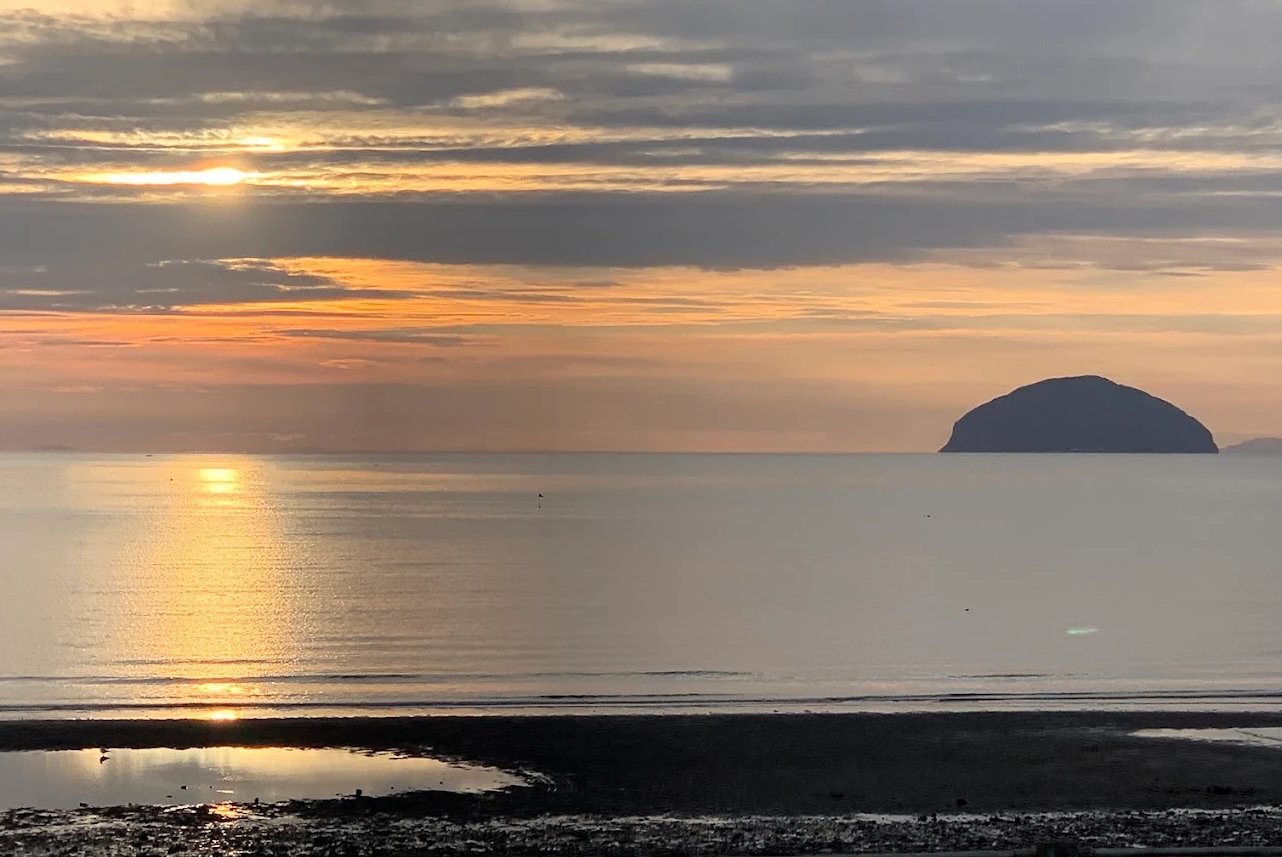
This coast has an unusual advantage for photographers: it faces due west, and it has a single, unmistakable subject sitting on the horizon. Ailsa Craig is ten miles out, 1,100 feet high, and it appears in almost every composition here whether you plan it or not. Learn to use it and the pictures make themselves.
Coastal
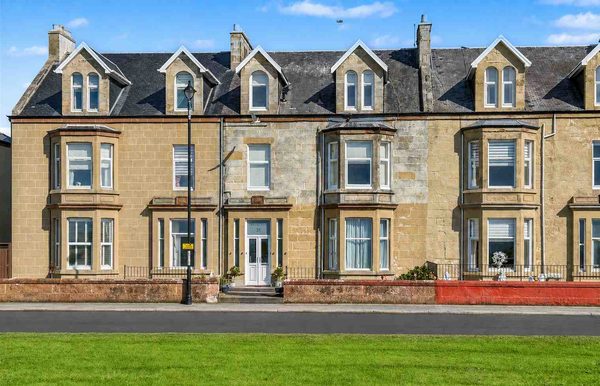
- Girvan prom and beach — sunset behind Ailsa Craig from May to August. A long lens compresses the island against the sun, which is the shot most people are after; a wide lens needs foreground, and the boating pond or the shelters give it.
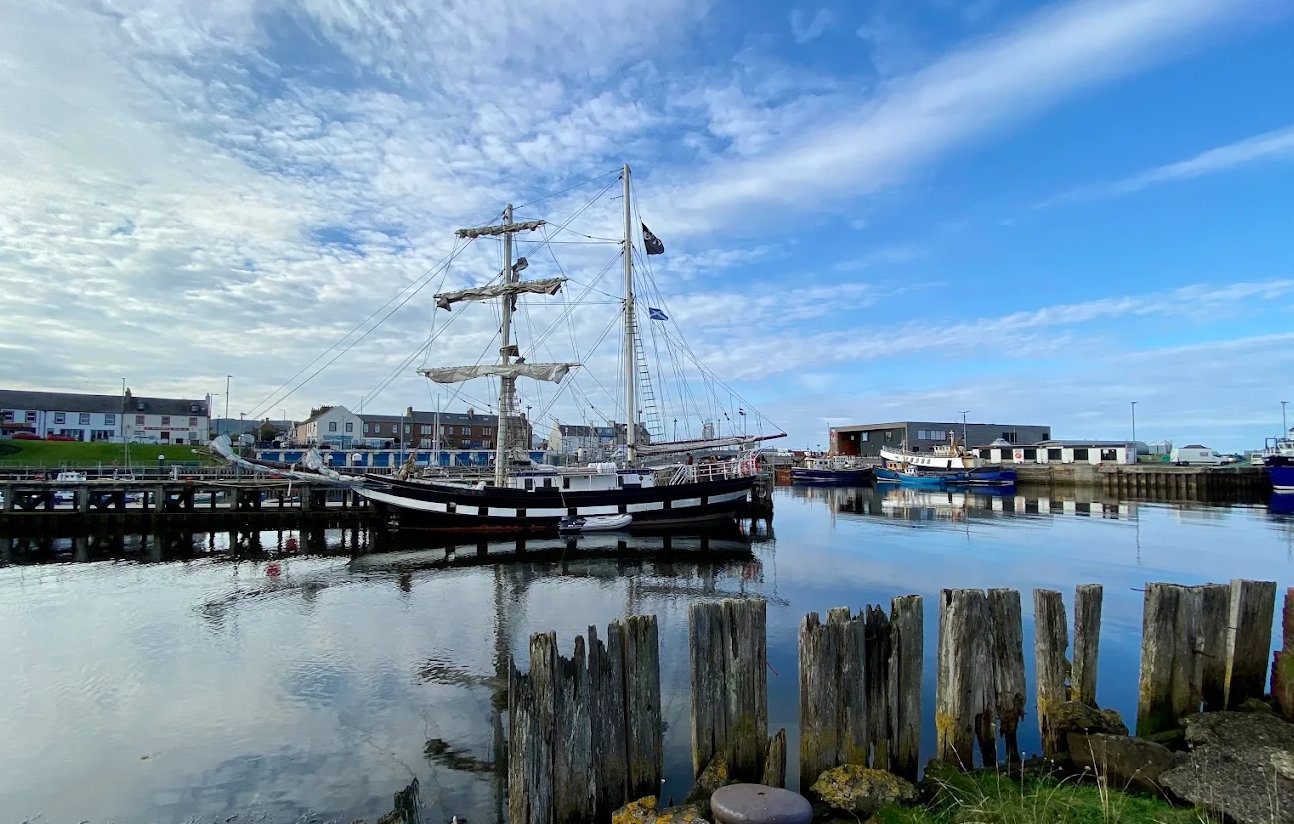
- Girvan harbour — boats and reflections at dawn, and the McKechnie and Stumpy Tower from Knockcushan Street.
- Byne Hill — the town, bay and Craig from 700 feet. An hour and a half up, and the best elevated view on this coast. Evening.
- Kennedy's Pass lay-bys — the Craig framed over the rock platforms. Storm days here are the ones to come for: spray over the rocks in a westerly.
- Varyag memorial, Lendalfoot — a wide shot of Ailsa Craig over Carleton Bay, and free parking right there.
- Bennane Head viewpoint — the big panorama north to Arran and Kintyre.
Buildings
- Turnberry lighthouse — from the beach at Maidens at golden hour, or from the public path across the links. The classic shot on this coast.
- Dunure Castle — silhouette at sunset from the harbour below.
- Culzean from the beach — low tide, the castle standing on its cliff. Get down to the shore; almost nobody does.
- Electric Brae — the road, a rolling car, and a photograph nobody believes.
Dark skies
Galloway Forest Park is a Gold Tier International Dark Sky Park with over 7,000 stars visible to the naked eye. Milky Way over Loch Trool or Loch Doon; Clatteringshaws for the darkest sky of all. October to March — it never gets properly dark here in midsummer. Check the moon phase, take a red torch, and dress for far colder than the coast.
Wildlife
The Ailsa Craig boat is the one to book: gannets plunging, the west cliffs, seals on the rocks. Bring 300mm and stabilisation, and expect spray — a rain cover is not optional. Trips are weather-dependent and cancel often, so build in a spare day. See wildlife.
Light and timing
Sunset is about 10pm in June and 4pm in December. The winter light here is the better light — low, long and often dramatic — and you do not have to stay up for it.
Westerlies give broken cloud, spray and dramatic skies. Easterlies give flat calm and mirrored water at the harbour. Both are worth having; the days to skip are the flat grey ones, of which there are plenty.
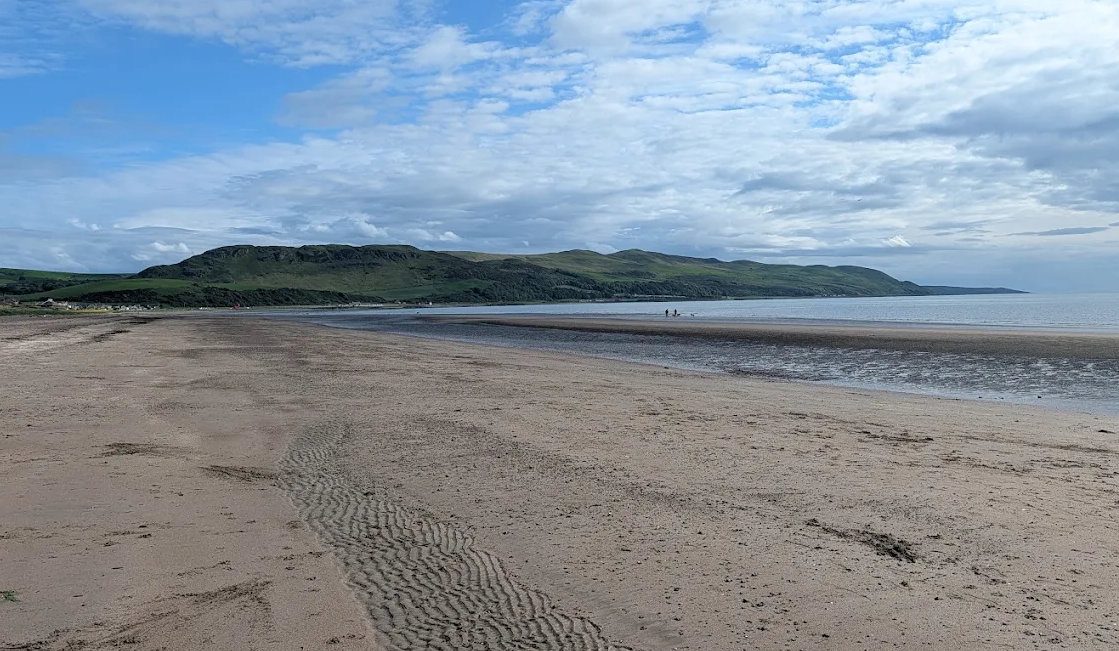
Low tide widens the beaches and exposes the rock platforms, which is when the shoreline compositions work — search 'Girvan tide times'.