In 2009 Galloway Forest Park became one of the first places in the world to be designated an International Dark Sky Park, and it was awarded Gold Tier status — the highest there is. There are now over a hundred Dark Sky Places worldwide; this was among the originals, and it remains one of the two darkest sites in the UK.
The reason is simple: almost nobody lives here. Three hundred square miles of forest and hill with no towns in it, and light-pollution controls around the edges.
What you can actually see
On a clear, moonless night in the core of the park, over 7,000 stars and planets are visible to the naked eye. The Milky Way is not a faint smudge but an obvious band arching across the sky, bright enough on the best nights to cast the faintest of shadows. The Andromeda galaxy is visible without binoculars. Meteor showers are spectacular rather than disappointing.
In spring and autumn you may catch the zodiacal light — a faint cone rising from the horizon after dusk — and on the very best nights, airglow low down. These are things most people in Britain never see.
Where to go from Girvan
| Spot | From Girvan | Notes |
|---|---|---|
| Loch Bradan and Loch Doon | 35–50 min via Straiton | On the Carrick Forest Drive — check it is open |
| Bruce's Stone, Loch Trool | 45 min | Car park, easy access, superb |
| Clatteringshaws, A712 | Over an hour | The darkest of the lot |
| Kirroughtree | 1 hour | Facilities and parking |
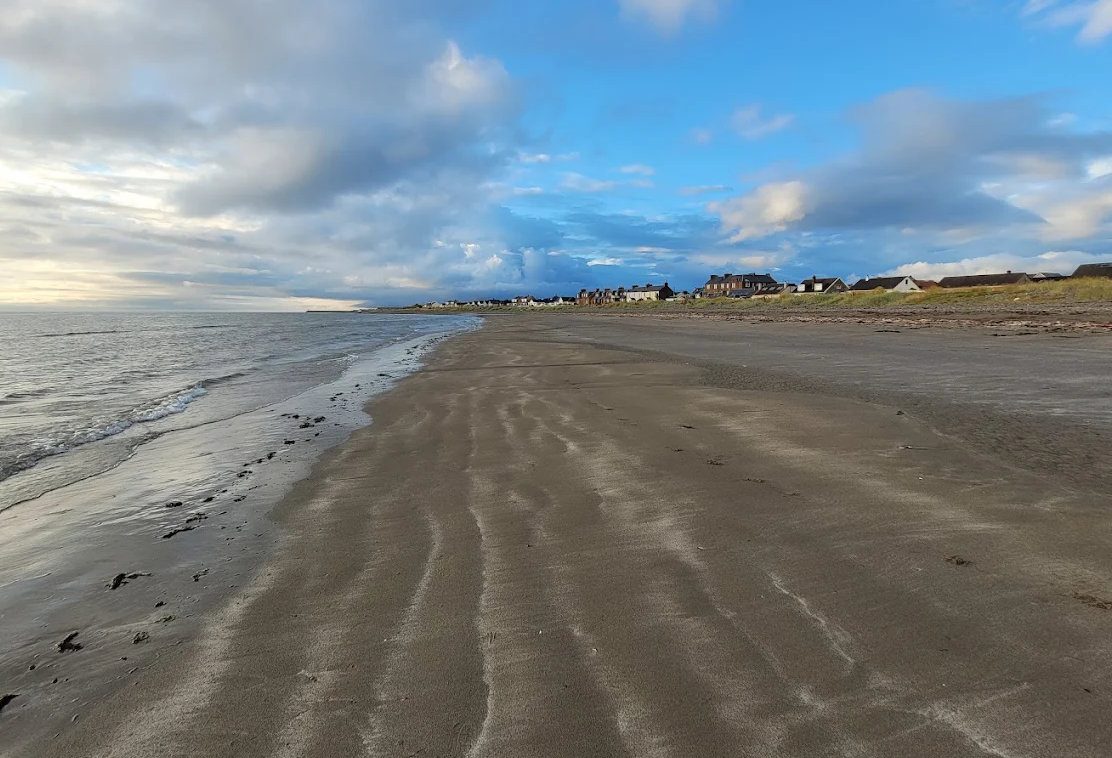
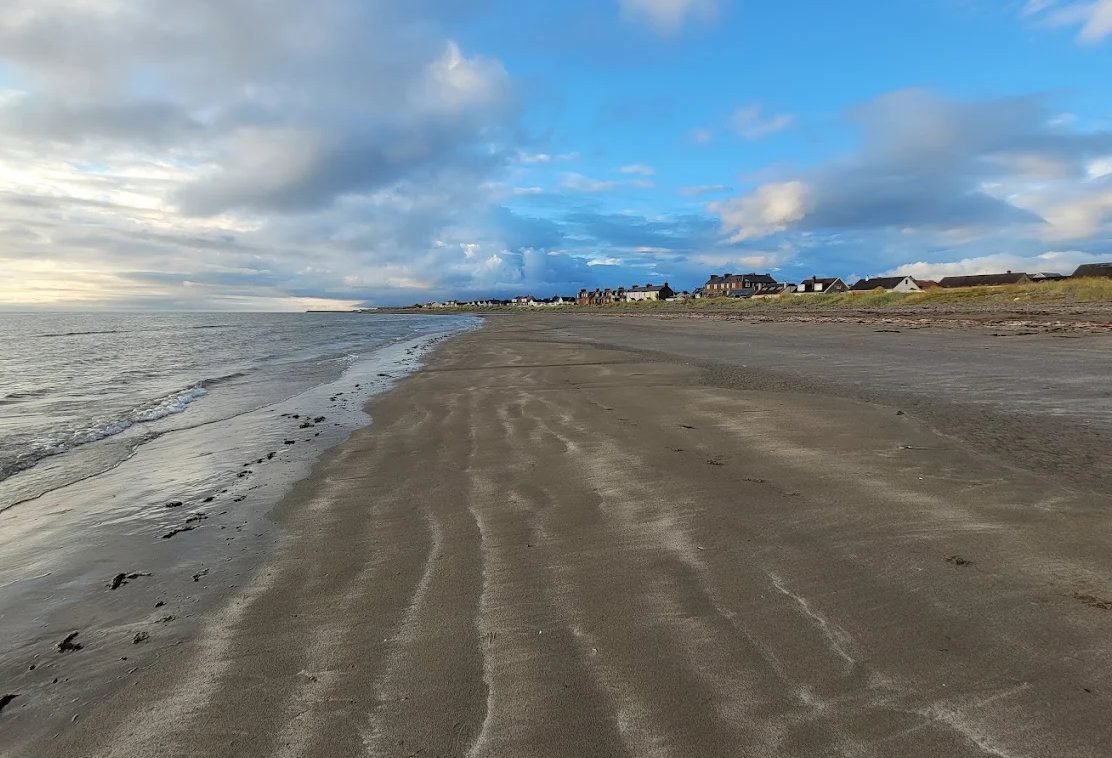
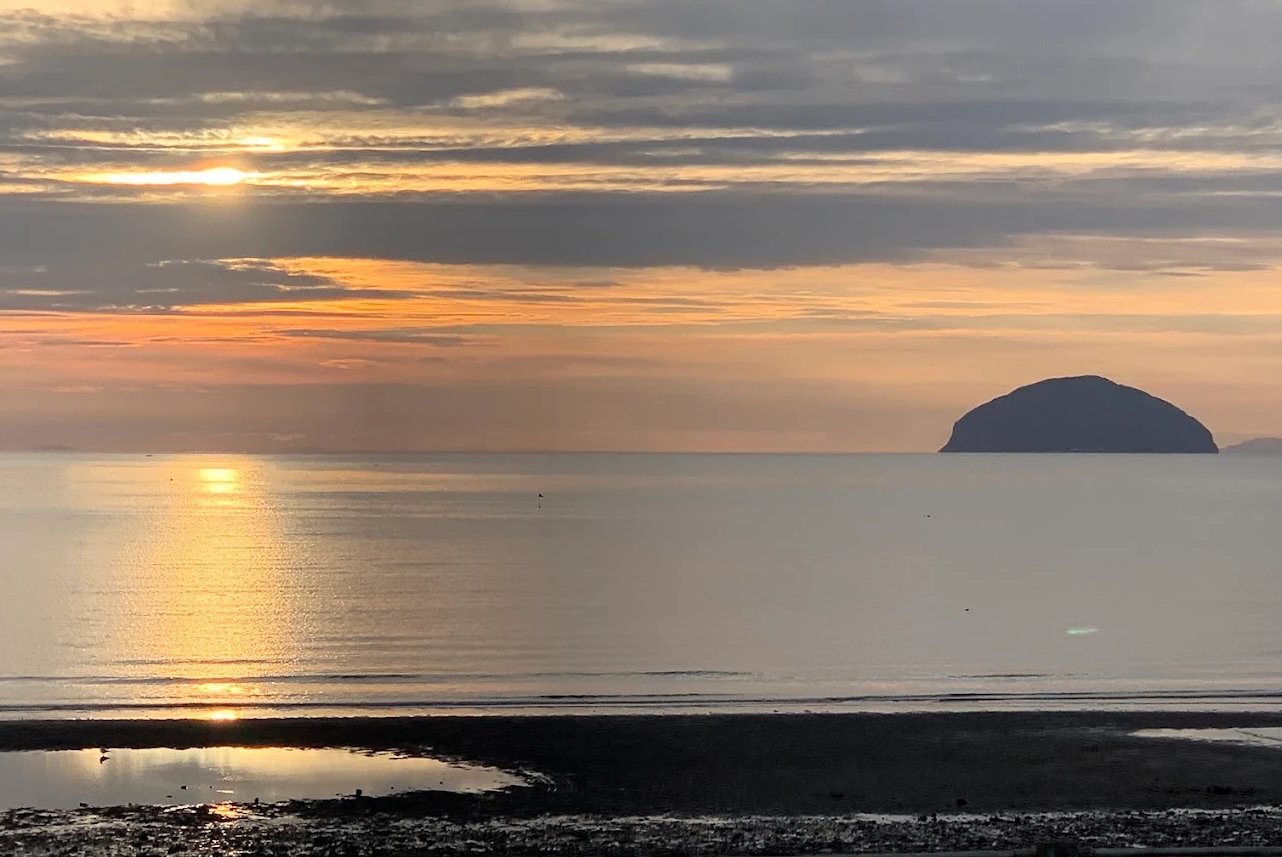
| Girvan beach | 0 min | Look out to sea, away from town lights — better than you'd think |
The Carrick Forest Drive is seasonal, is a gravel forest road and can close, so check before setting out — see Loch Doon. If it is shut, go round via Dalmellington.
The observatory
The Scottish Dark Sky Observatory near Dalmellington was destroyed by fire in June 2021. It has not reopened, and any listing suggesting otherwise is out of date. A replacement is planned at Clatteringshaws, but do not build a trip around it until it is confirmed open.
In the meantime the park's Dark Sky Rangers run public events and telescope sessions through the season, and the South of Scotland Dark Sky Festival runs in October. Otherwise stargazing here is self-guided, which is most of the appeal.
Practical notes
- Season: October to March. In midsummer this far north it never gets properly dark.
- Check the moon phase first — a full moon washes out everything. New moon is what you want.
- Check the cloud forecast, and be prepared to abandon.
- Take a red torch, not a white one. White light destroys your night vision and it takes twenty minutes to get it back.
- Allow twenty minutes for your eyes to adapt before judging the sky. Most people give up too early.
- Dress for far colder than the coast. Inland, in winter, standing still, at altitude — it is a different proposition from Girvan seafront. Take a flask.
- Tell someone where you are going. There is no mobile signal across much of the park.
See Galloway Forest Park, the Galloway forest loop day trip and Girvan in winter, which is the best season for this.