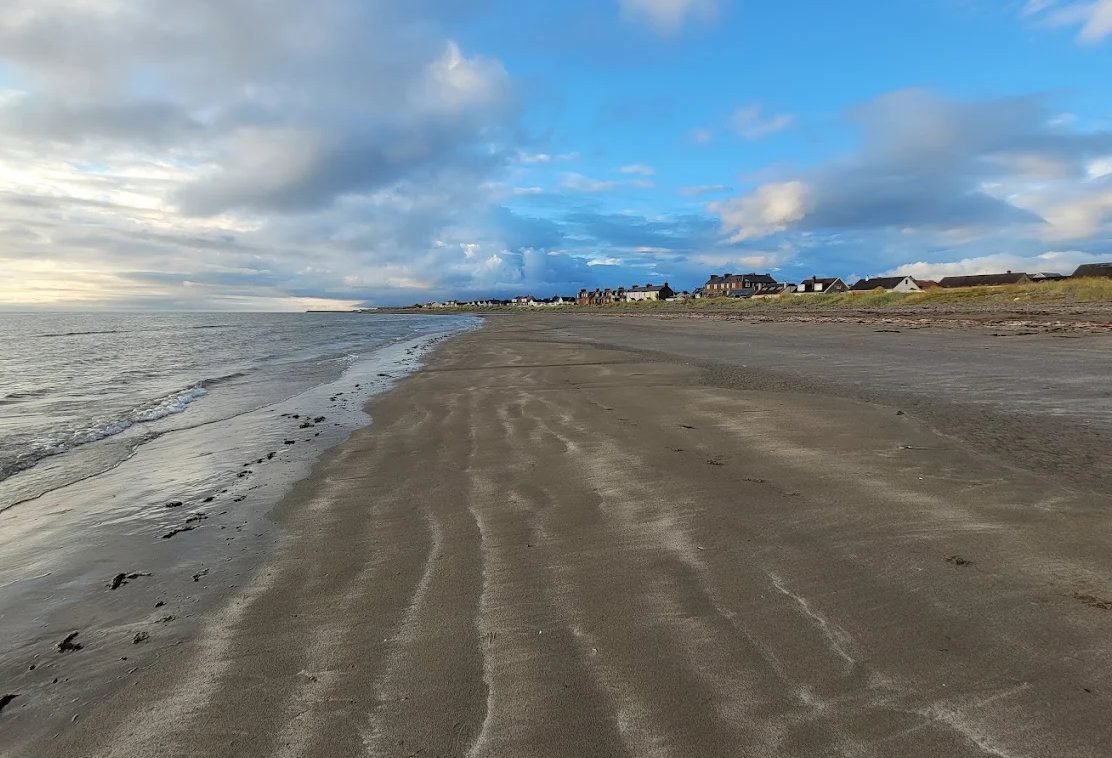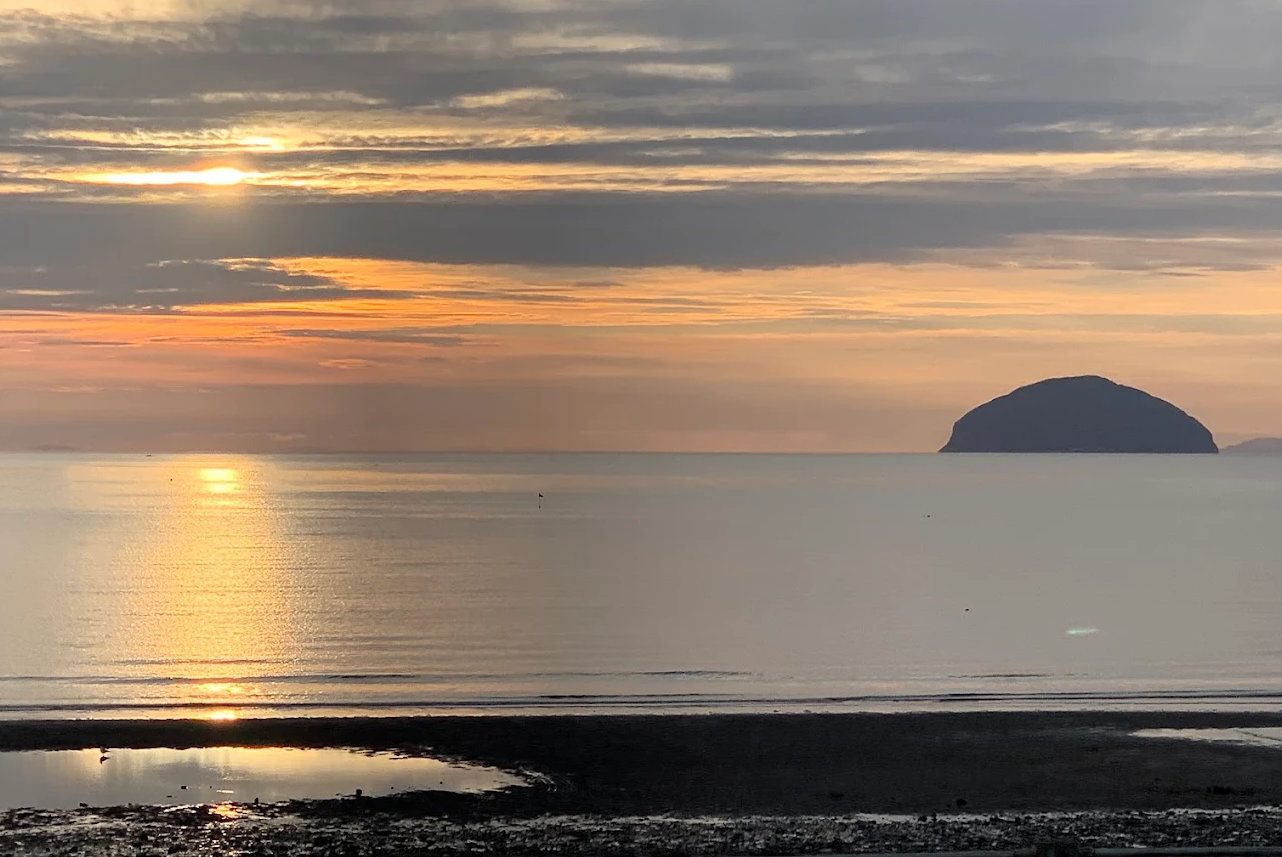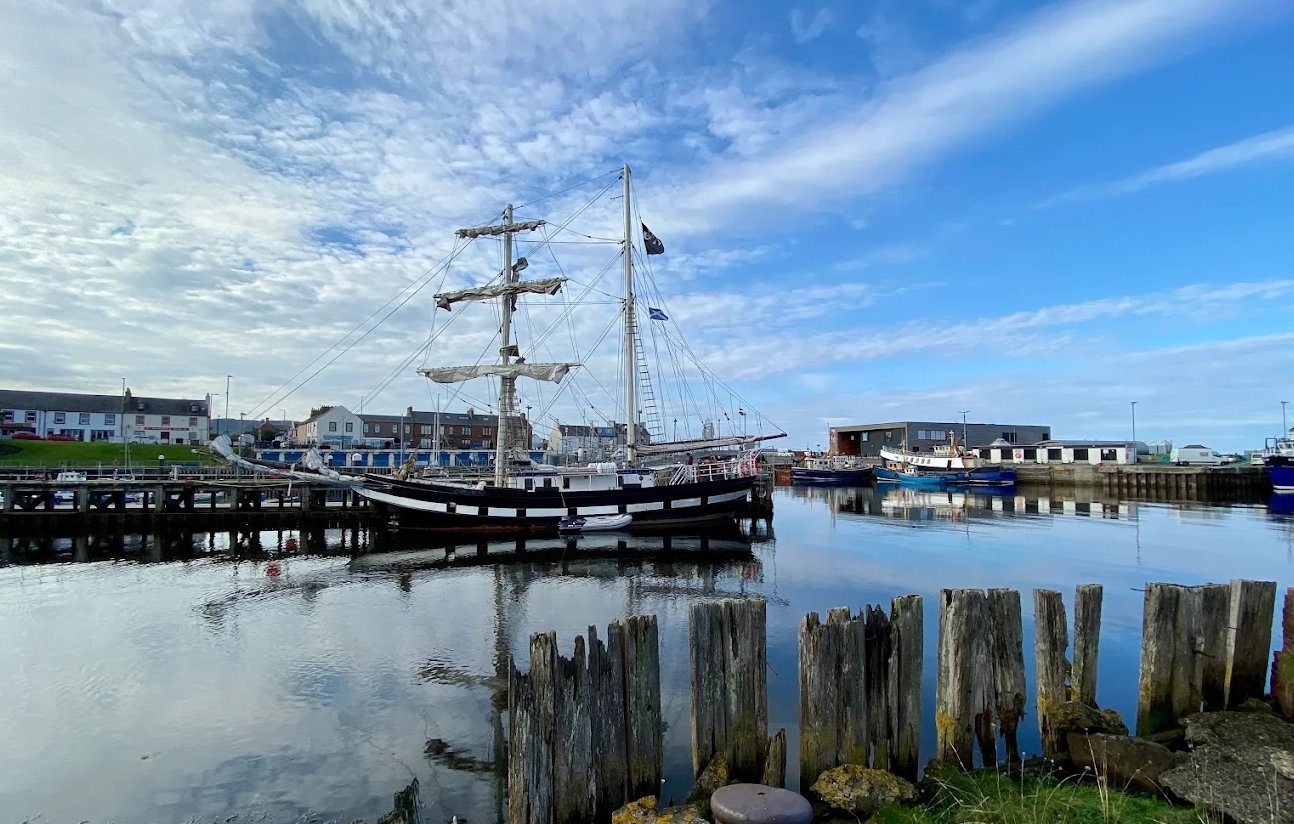
Every May Day bank holiday weekend since 1975, Girvan has hosted what its organisers call Scotland's home of 'pure-drop' traditional music and song. It is not a big festival with a main stage and a headliner you'd recognise from the radio; it is three days of concerts in halls, workshops in the mornings, a ceilidh, storytelling, competitions, children's events and — above all — sessions in the pubs that go on until the small hours. Musicians outnumber the audience in some rooms, which is rather the point. The festival describes itself as 'small but mighty' and intergenerational, and both are true: you will see a 14-year-old fiddler trading tunes with an 80-year-old box player in the Harbour Bar.
A short history
Girvan's folk history goes back further than the festival. Local man Tommy Mitchell and the impresario Danny Kyle ran a Girvan Folk Song Festival in 1964 and 1965, before even Blairgowrie's, and the Girvan Folk Club grew out of it under the Robb family. The modern festival began in 1975, planned by musicians from the Kilmarnock Traditional Folk Club after a boozy weekend at Sandhead; Bobby Robb, Ben Robb and Harry Aitken of the group The Lave were its musical backbone, and Bobby Robb is still honoured with a tribute concert each year. Early guests included June Tabor, Belle Stewart and Cilla Fisher; the Glasgow-Irish tune tradition arrived soon after with the Four Provinces Ceilidh Band and piper Pat McNulty, giving the festival its split personality — singers in one room, 'tuneheads' in the next. Sessions under the dome of the old King's Arms, late-night extras in the Catholic Hall and the world premiere of The Singing Kettle are part of the lore. The festival is now a charity (SCIO SC048244) and marked its 50th in 2025.
What happens
- Concerts — Friday, Saturday and Sunday evenings in the larger halls, with guest artists from Scotland, Ireland and beyond; Sunday's farewell concert is traditionally the emotional one.
- Workshops — each morning: fiddle, pipes, accordion, song, sometimes willow sculpture or dance. Included in a weekend ticket or bought singly.
- Sessions — informal, unticketed and the heart of the thing: the Harbour Bar, the Swee, the Queens, the Royal, the Westcliffe and others. Bring an instrument or just sit.
- Ceilidh — a community ceilidh with a live band, usually Friday.
- Competitions — singing and instrumental, for all ages.
- Storytelling, talks and poetry — often in the McKechnie Institute.
- Family events — children's ceilidh, crafts, a 'wee school' arts space.
- Instrument makers' fair — in some years.
The full programme with timings and venues is published on the festival website in the spring.
Tickets and practicalities
Weekend tickets cover all ticketed events and workshops and sell online through Citizen Ticket; individual concert and workshop tickets are also sold. Recent weekend prices have been in the £55–60 range, with concessions. Pub sessions are free. The festival runs a free 'Folky Bus' on the weekend from villages in the KA26 area and a 'Ferry Bus' for visitors arriving at Cairnryan from Northern Ireland — both bookable through the website.
Where to stay
Book early: the town's hotels, B&Bs and cottages fill months ahead for festival weekend, and many festival-goers return to the same beds every year. The festival website lists accommodation and a 'Linger Longer' offer for those staying on. Caravan parks at Turnberry, Maidens and Ballantrae take the overflow, and Maybole and Ayr are within reach by train. See our accommodation page.
Getting there
Girvan station is on the Glasgow–Stranraer line; trains run Monday to Saturday with a sparser Sunday service, and most venues are within ten minutes' walk of the station and the harbour. By car, the A77; parking is free at the harbour. See getting here.
Beyond the festival
Girvan Folk Club meets through the year, and the festival has joined forces with the Summer Trad Festival in Newton Stewart in its funding bids, so there is trad music in the south-west in most months. For other dates, see events.