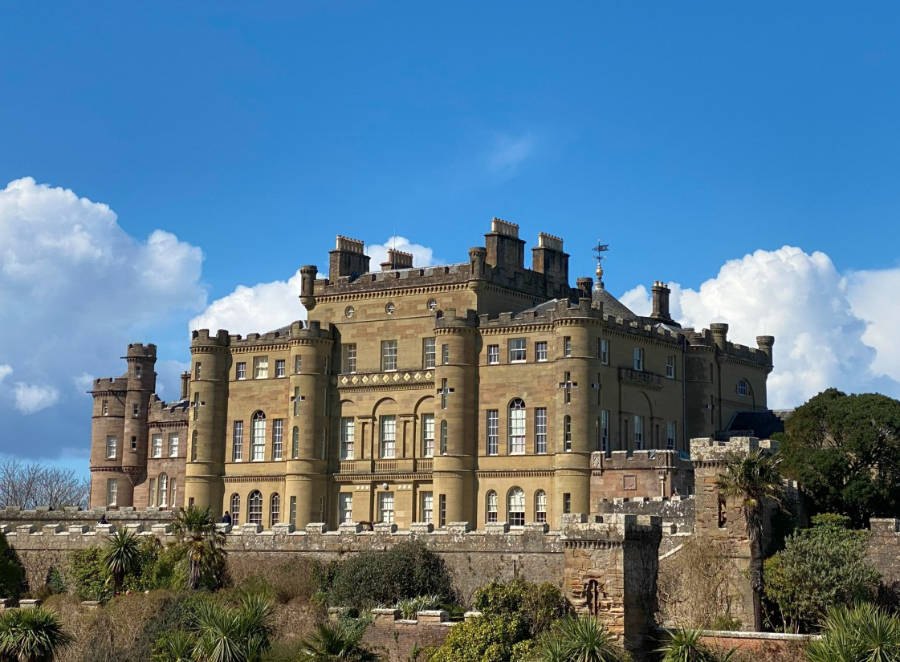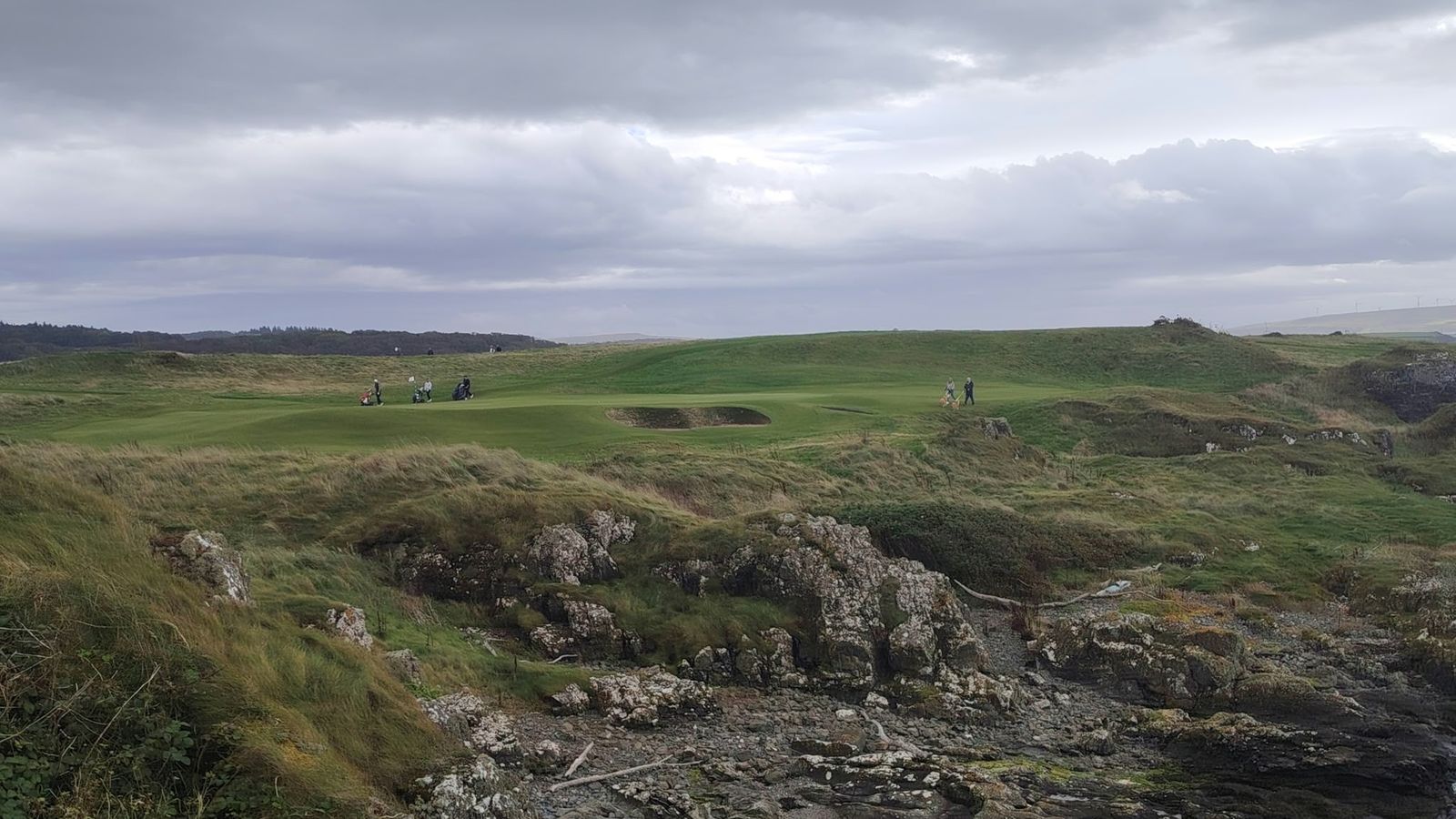
Turnberry is barely a place. There is no village centre, no shop and no pub — just a scatter of houses, a five-star hotel on a rise, and three golf courses running down to the sea. And yet it is one of the most famous addresses in world sport, and it holds a castle where a king was born.
The important thing for a visitor is that a great deal of it costs nothing. You do not have to be a golfer or a hotel guest to walk out to the lighthouse.
Robert the Bruce
Turnberry Castle stood on a rocky point above the sea, a stronghold of the earls of Carrick and later the Kennedys. By tradition Robert the Bruce was born here in 1274, to Marjorie, Countess of Carrick — and it was to Turnberry that he returned in 1307, landing from Arran to begin the campaign that ended at Bannockburn.
The claim is traditional rather than documented, and Lochmaben in Dumfriesshire disputes it. But this was unquestionably Carrick's caput, the seat from which the earldom was run, and Bruce was Earl of Carrick before he was king.
What survives is fragmentary: humps and hollows of masonry immediately north of the lighthouse, with one short stretch still standing. The ground is steep, rocky and unstable with sharp drops to the sea — look at it from the level rather than scrambling about on it.
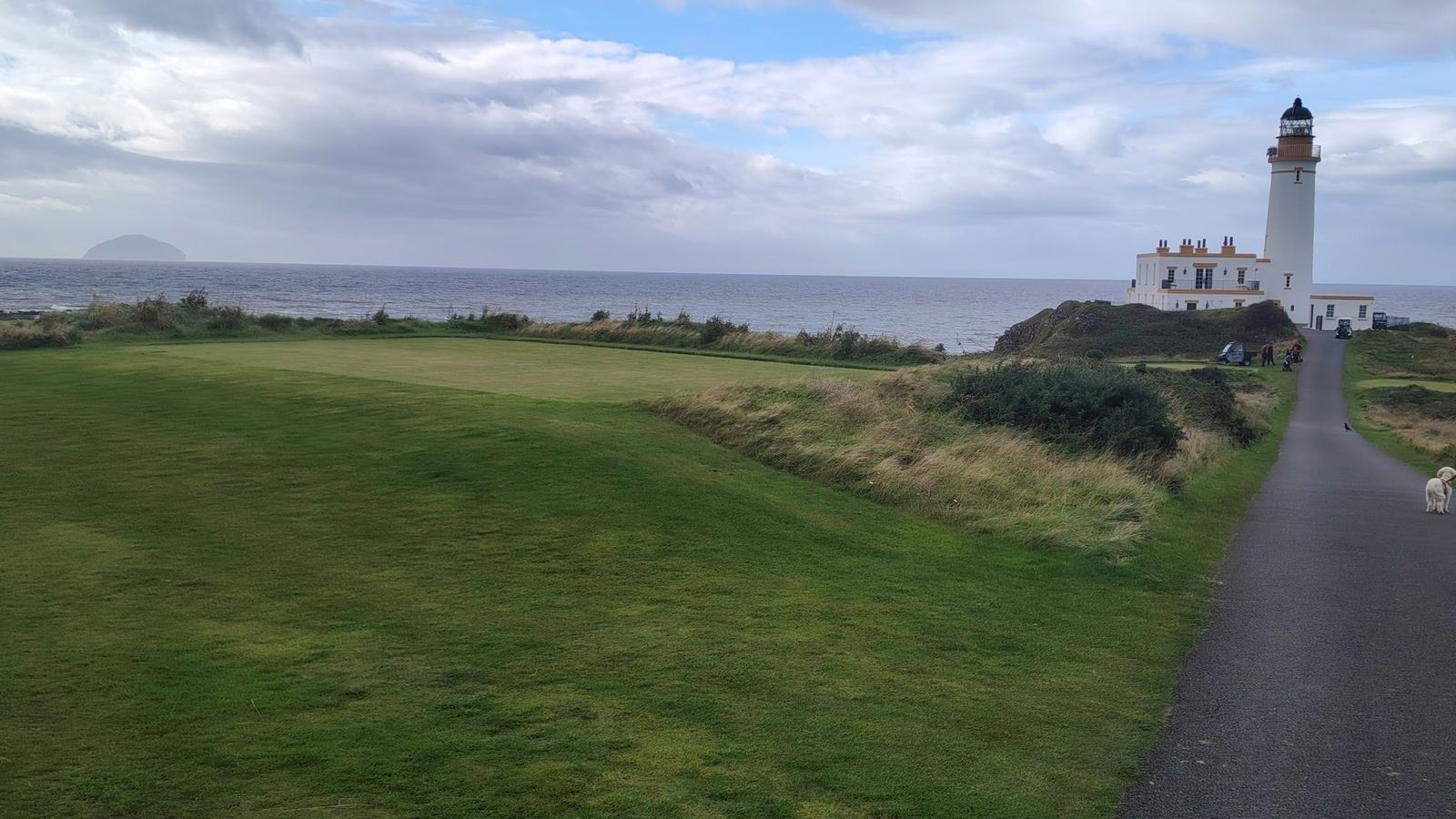
The lighthouse
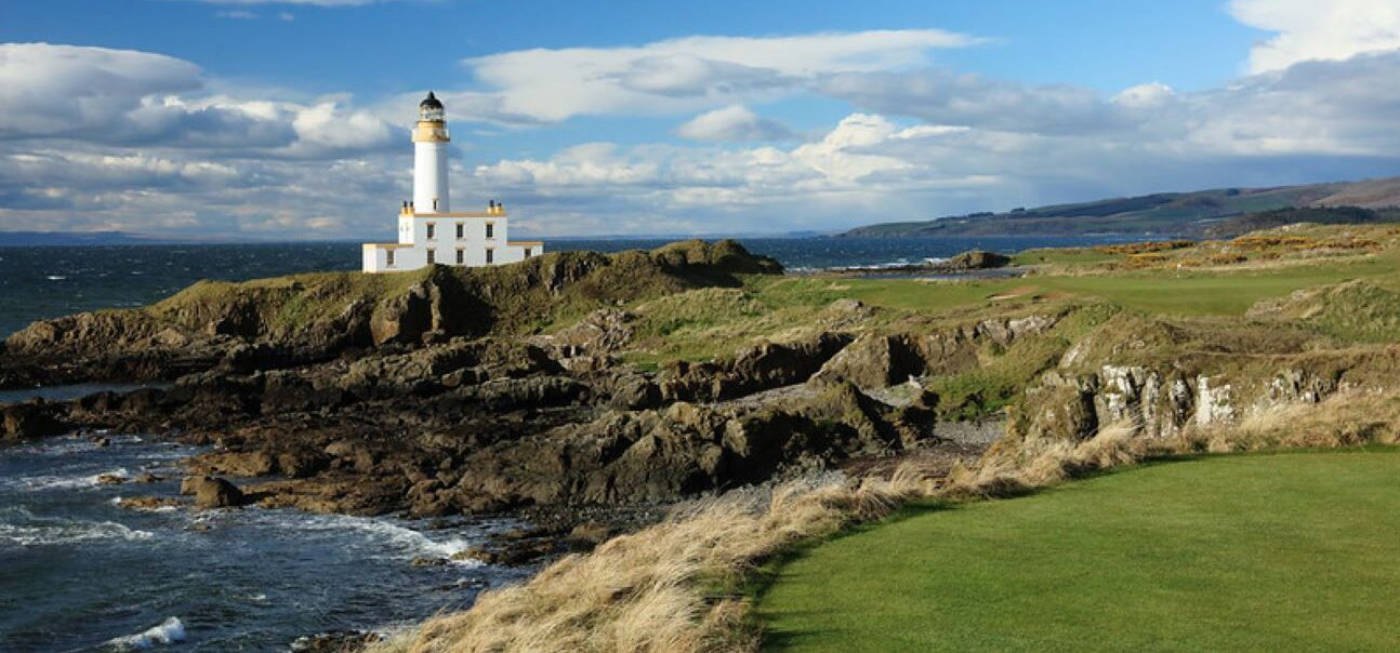
The white tower was built in 1873 by David and Thomas Stevenson — Thomas being Robert Louis Stevenson's father — on the site of the castle's outer defences. It stands 24 metres, its light 29 metres above the sea, and was automated in 1986. It is category B listed.
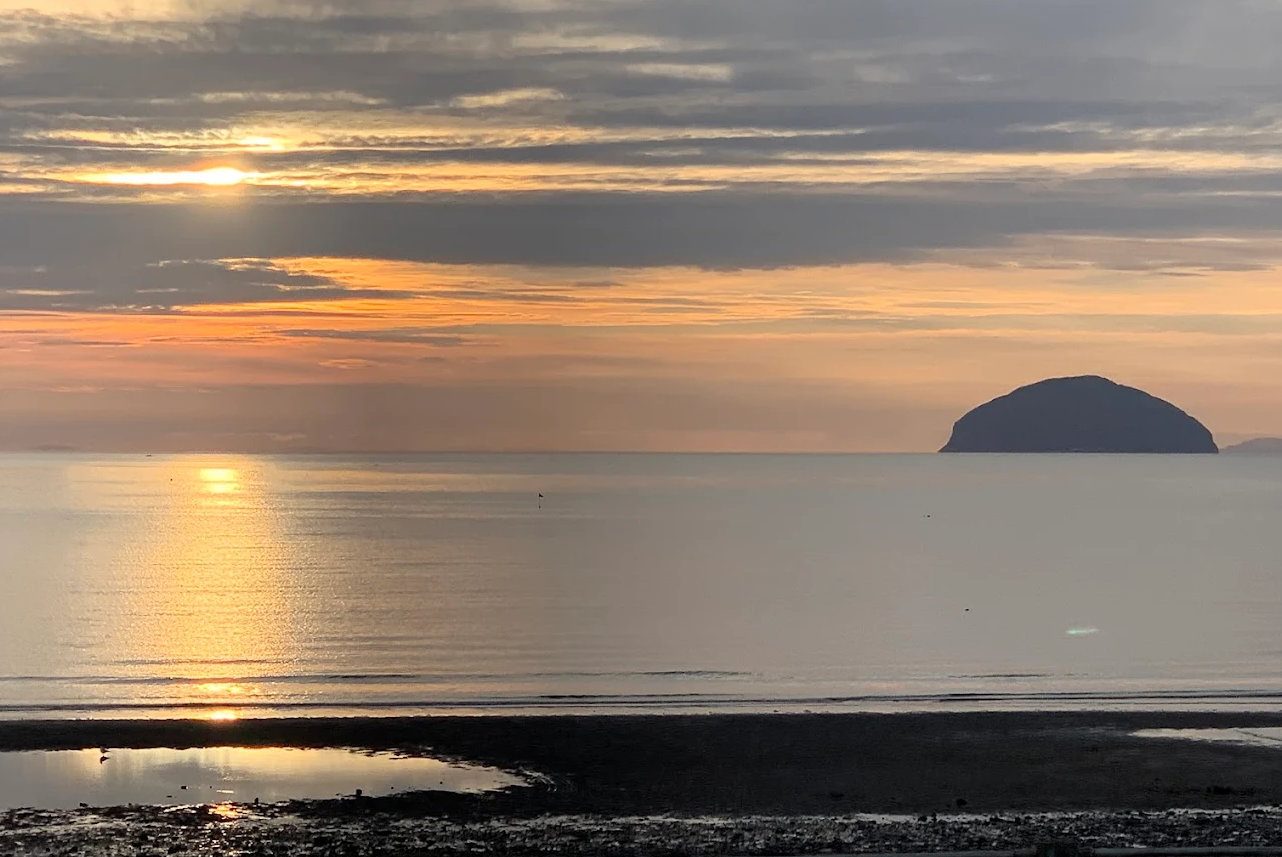
You cannot go inside; the keepers' cottages are now private accommodation linked to the resort. But you can walk right up to it, and with Ailsa Craig sitting on the horizon behind, it is the most photographed spot on this coast. Go an hour before sunset. See Turnberry lighthouse.
How the resort happened
This is a better story than most people realise, and it begins with a railway company.
In 1901 the 3rd Marquess of Ailsa, then living at Culzean, laid out a small private course on his estate. In 1903 the Glasgow and South Western Railway took the site on, and at the Marquess's encouragement began building something unprecedented: a hotel and golf course conceived together, with a railway line built specifically to serve it.
The Turnberry Station Hotel — 100 bedrooms, designed by the Glasgow architect James Miller — opened in 1906, and Turnberry railway station opened on 17 May 1906 as part of the Maidens and Dunure Light Railway. It is generally reckoned Britain's first purpose-built golf resort: not a club that acquired a hotel, but a resort built whole.
By 1909 there were two eighteen-hole courses. They became the Ailsa and the Arran, and in 1938 Major Cecil Hutchinson's redesign of the Ailsa was completed.
Twice ploughed up for war
Turnberry was taken over by the military in both world wars, and the second time it very nearly finished the place.
The hotel became a military hospital. The golf courses were concreted over: runways, hangars, brick huts and transformer houses laid across the links for RAF Turnberry, a training base where — it is thought — as many as 200 airmen died. There is a memorial to them on the headland.
After the war the land was, in one account, acres of tarmacadam and concrete. It took a stubborn campaign by Frank Hole of British Transport Hotels to persuade the government that a golf course should be rebuilt at all.
The man who did it was Philip Mackenzie Ross, who from 1949 lifted the runways, covered the ground with sand and topsoil and rebuilt the links from nothing. The Ailsa reopened in 1951, the Arran in 1954. It is one of the great restoration jobs in golf, and the reason the course exists.
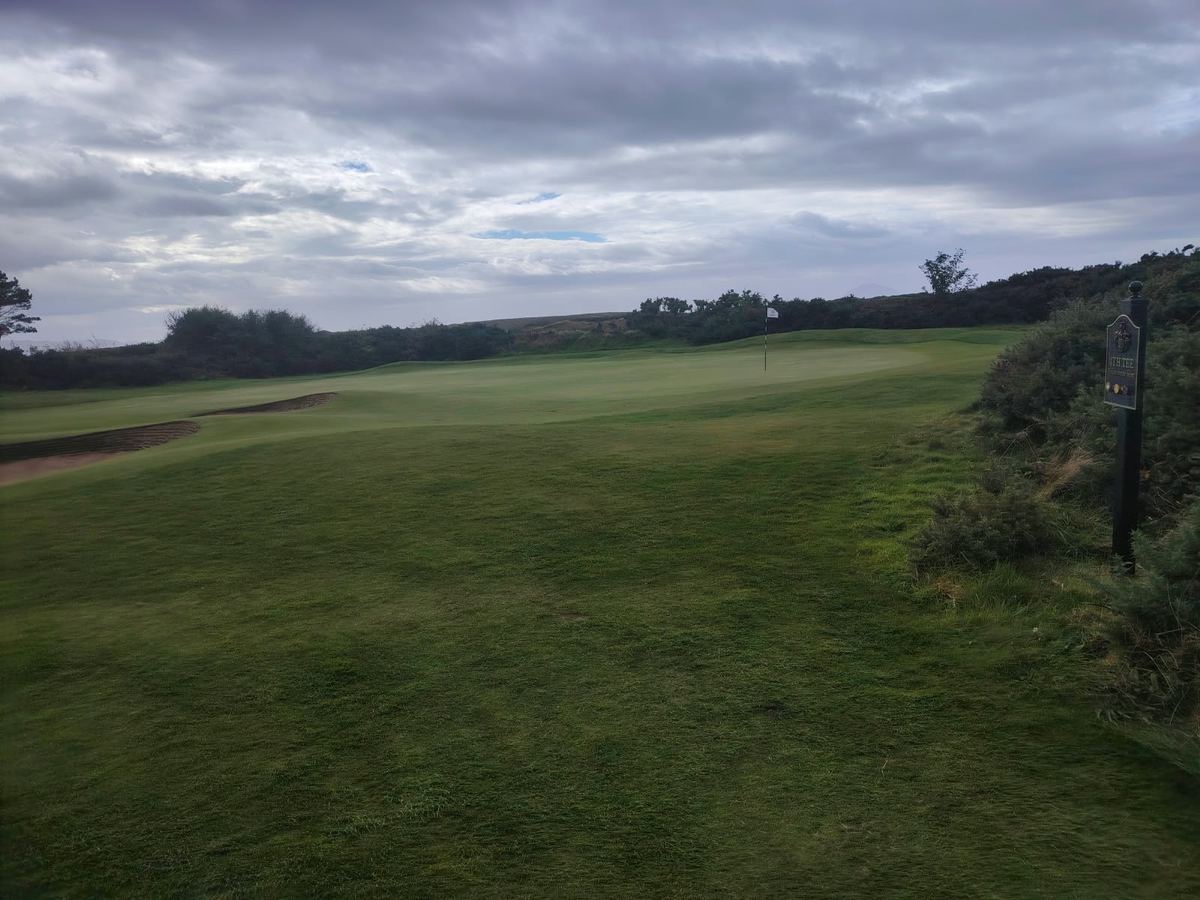
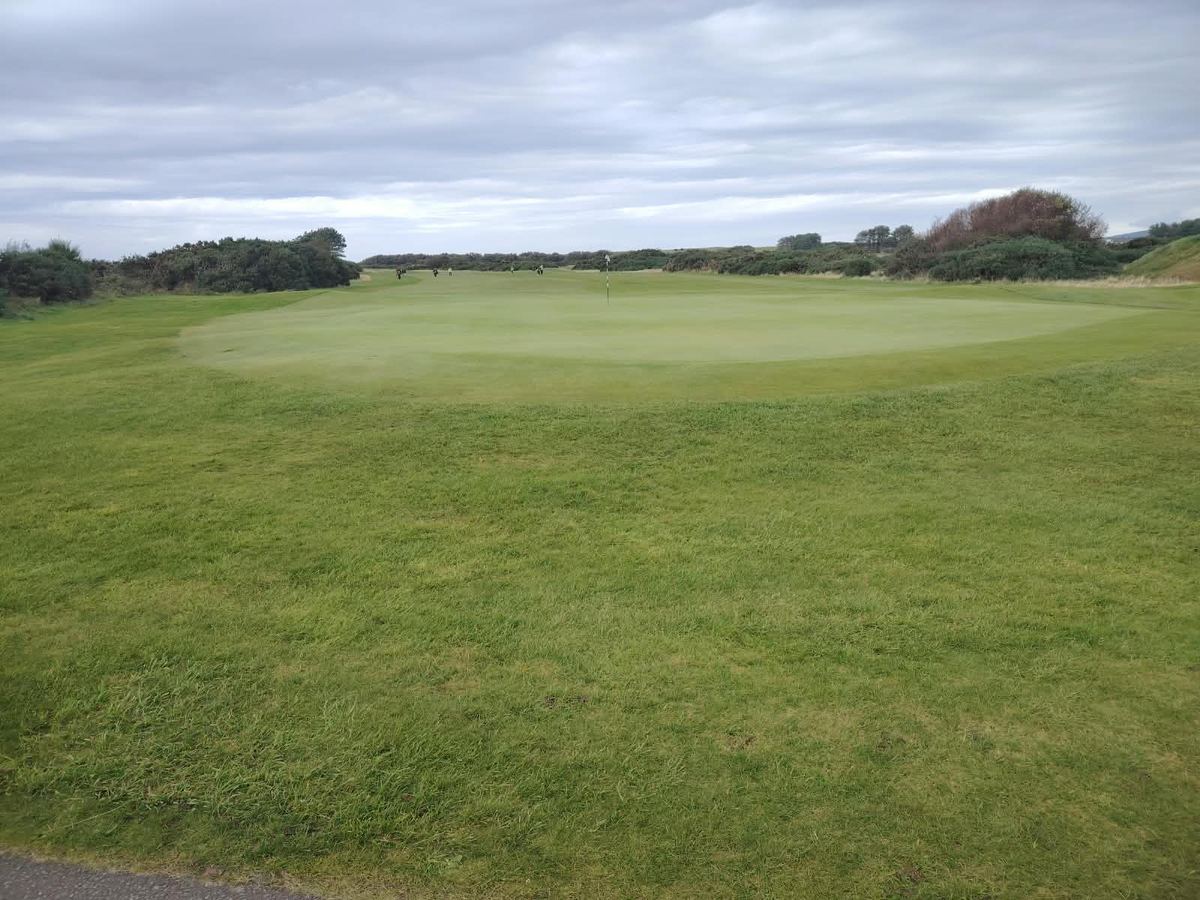
Look closely off the King Robert the Bruce course and you can still see remains of the asphalt runways.
The Open, and the Duel in the Sun
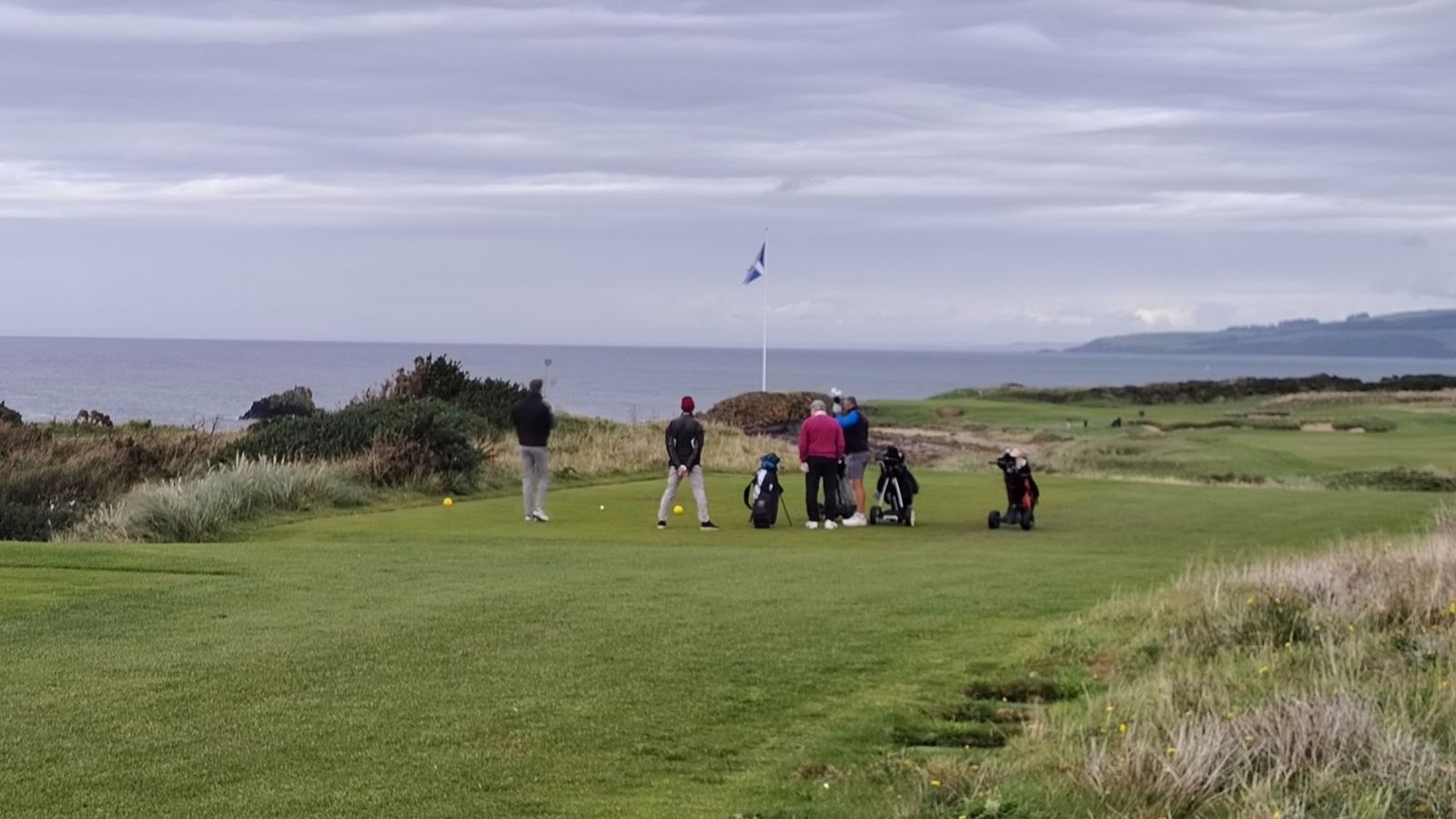
Turnberry's first major event was the Walker Cup in 1963. The Ailsa has since staged four Open Championships — 1977, 1986, 1994 and 2009 — plus the Women's British Open in 2002.
1977 is the one everybody means. Tom Watson and Jack Nicklaus pulled so far clear of the field over the closing rounds that they were effectively playing match play, trading birdies in extraordinary heat, with Watson winning by a stroke. It is remembered as the 'Duel in the Sun' and is regularly called the greatest head-to-head in the game's history. The bar in the hotel is named after it.
2009 produced its own drama: Tom Watson, at 59, stood on the 18th needing a par to win and lost in a play-off to Stewart Cink. The Open has not returned since.
Later chapters
The spa arrived in 1991 and a new clubhouse in 1993. The Colin Montgomerie Links Golf Academy, the first of its kind, opened in 2000, and the Kintyre course in 2001.
Leisurecorp, a Dubai World company, bought the resort in 2008 and reopened it in 2009 after a major restoration for the 138th Open. Donald Trump bought it in 2014, since when it has traded as Trump Turnberry, and Martin Ebert redesigned the Ailsa in 2015–16 — work that has been very well received by golf writers, moving several holes closer to the shore.
What to actually do here
Free:
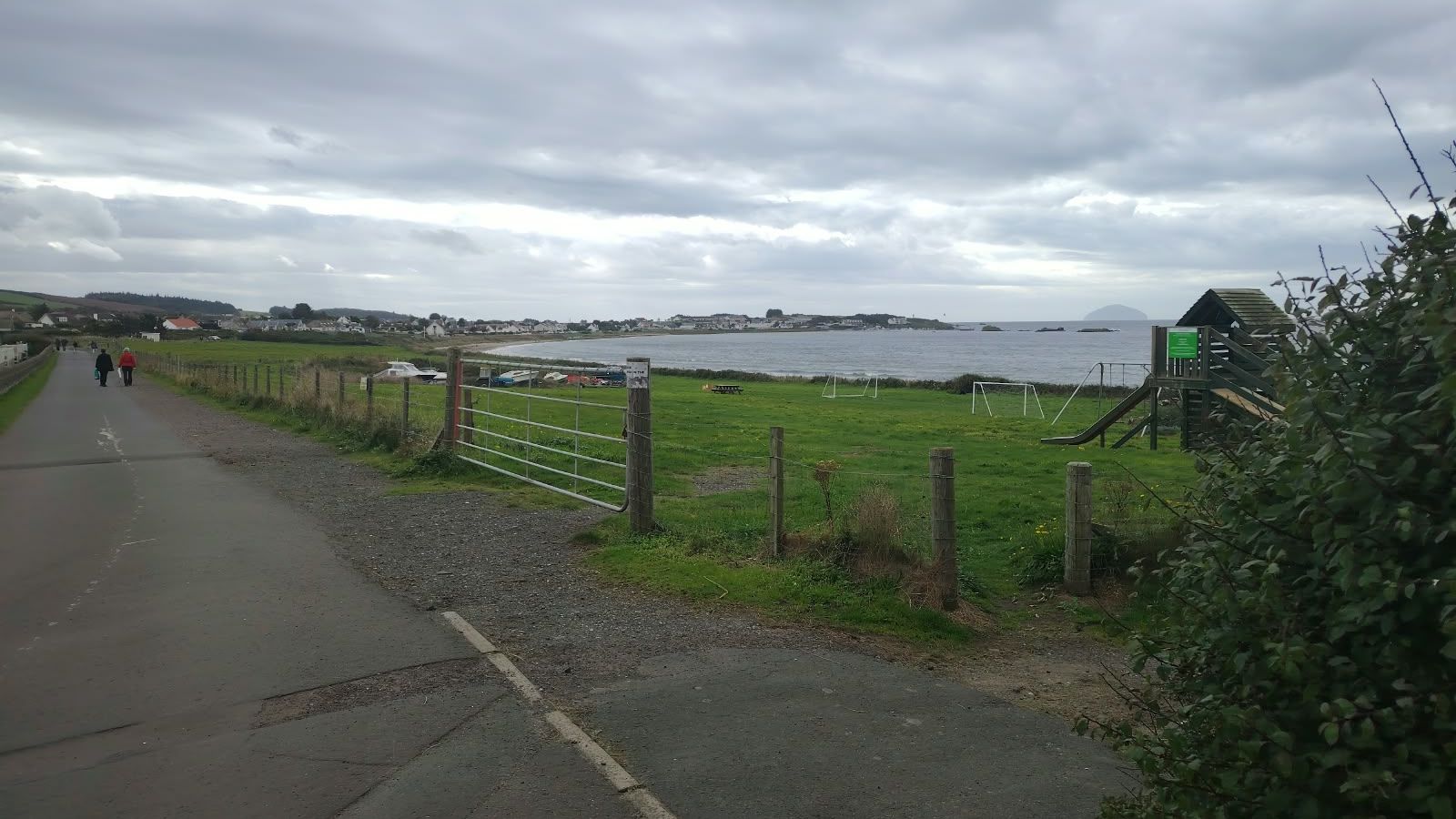
- Walk to the lighthouse from Maidens — about a mile and a half each way along the shore and across the edge of the Ailsa course, on a long-established right of way. Keep to the marked route, watch for play and give way to golfers.
- Turnberry beach — three miles of quiet sand below the hotel, with a car park by the A719/A77 junction and no facilities at all.
- The Ayrshire Coastal Path runs straight through.
- The airmen's memorial on the headland.
Paid:
- The Ailsa and King Robert the Bruce championship courses, with the Arran short course and the Wee Links pitch-and-putt — the last of which is genuinely good fun with children and a fraction of the price.
- Afternoon tea, or a drink in the Ailsa Bar, both open to non-residents with a smart dress code. The bar looks over the links to the lighthouse.
- The spa, which sells day packages.
- Turnberry Adventures — clay shooting, archery, falconry and off-road driving, bookable in advance.
Practical notes
Twelve minutes from Girvan on the A77, or the Stagecoach 60 bus. You can also walk the whole way along the shore from Girvan — see Girvan to Turnberry, eight miles to Maidens.
Park in Maidens rather than at the resort if you are only walking to the lighthouse. There is no shop or pub at Turnberry itself; Maidens a mile north has both, plus Wildings, which is better value than the hotel and, many would say, a better meal.
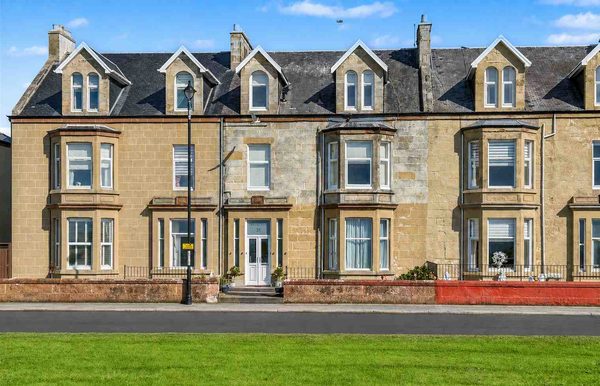
The white houses between the hotel and the clubhouse were built originally for hotel staff and are now let as accommodation.
Kirkoswald and Culzean are ten minutes further on — see the Carrick castle coast day trip.