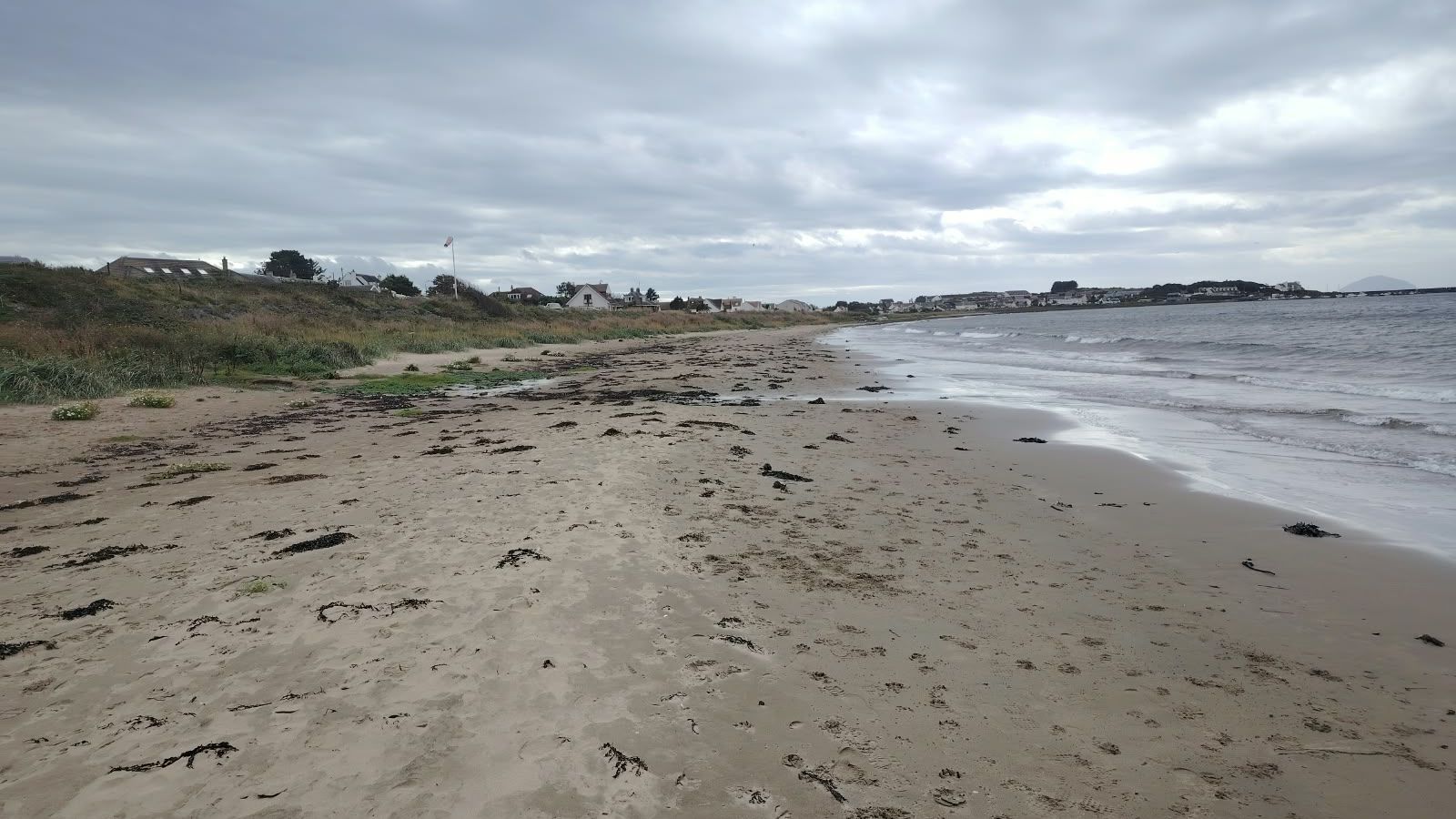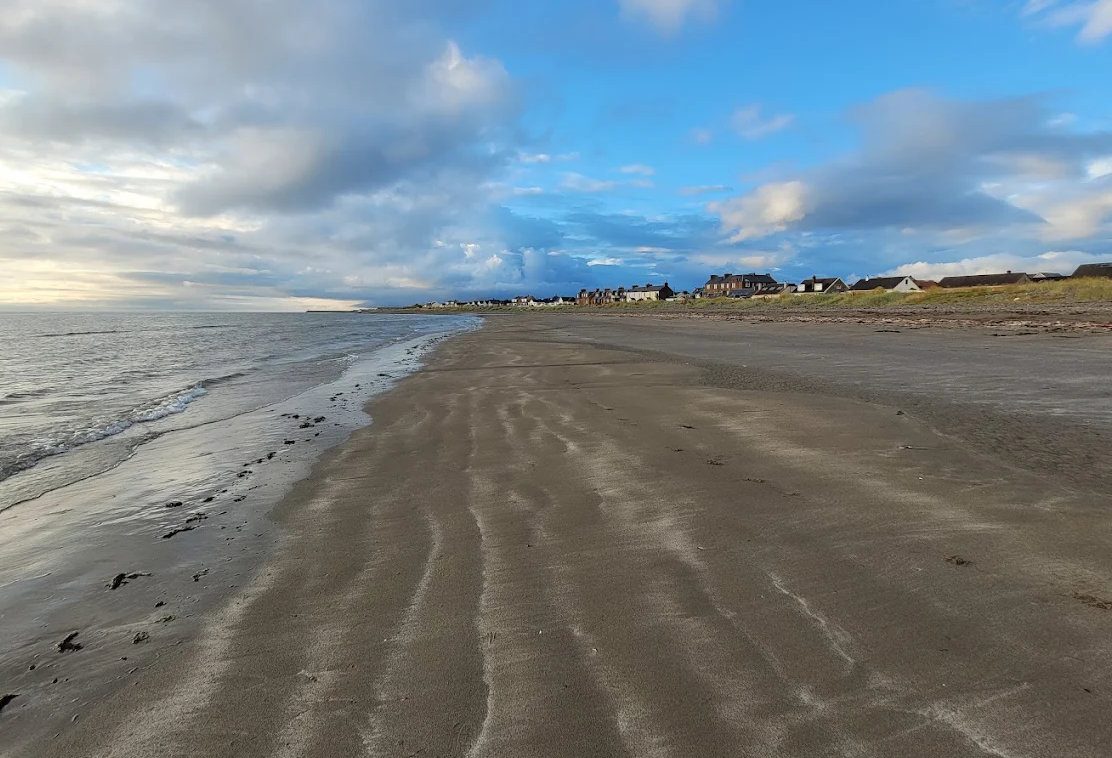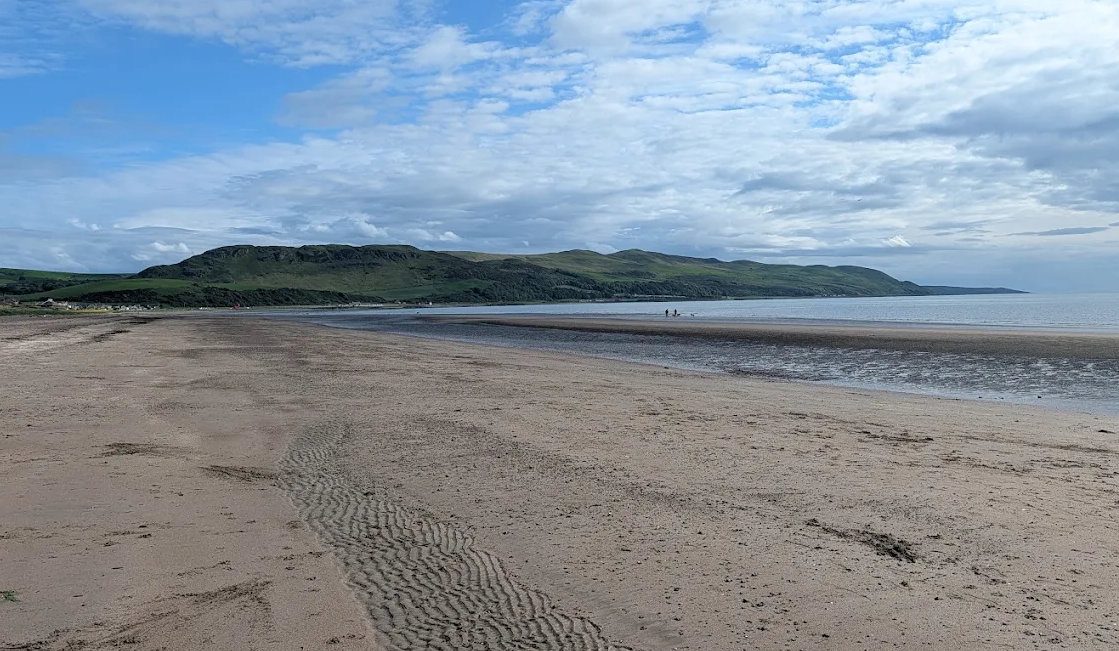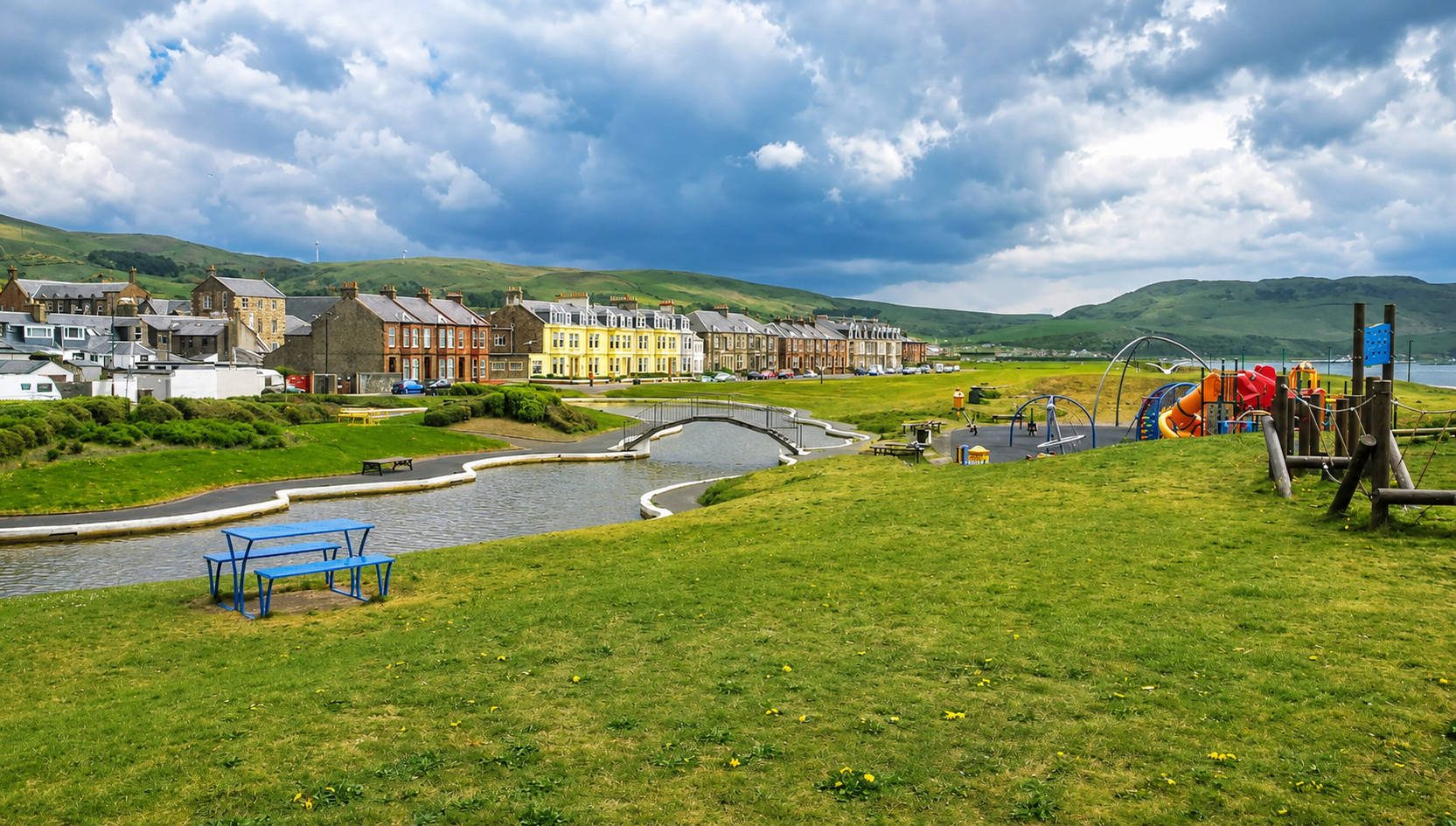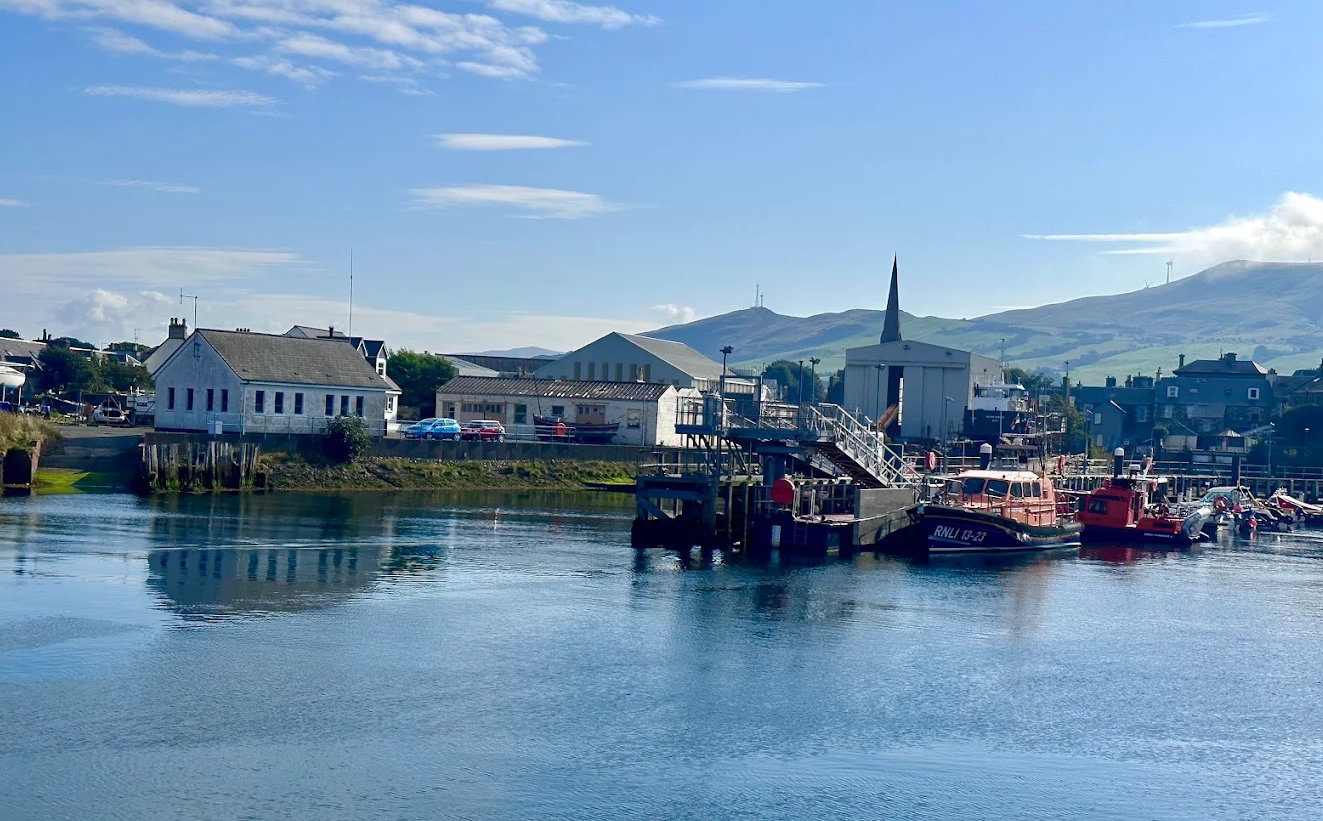
Girvan is the dividing line, and it is a sharp one. North of the harbour the coast is soft: long sandy bays at Girvan itself, Turnberry, Maidens, below Culzean and at Croy, most with parking and some with facilities. South of the harbour it turns hard — shingle, rock platforms and raised beaches, with almost no facilities and some of the most interesting geology in Britain.
Both are worth your time. They are just entirely different days out.
Which beach for what
| If you want | Go to |
|---|---|
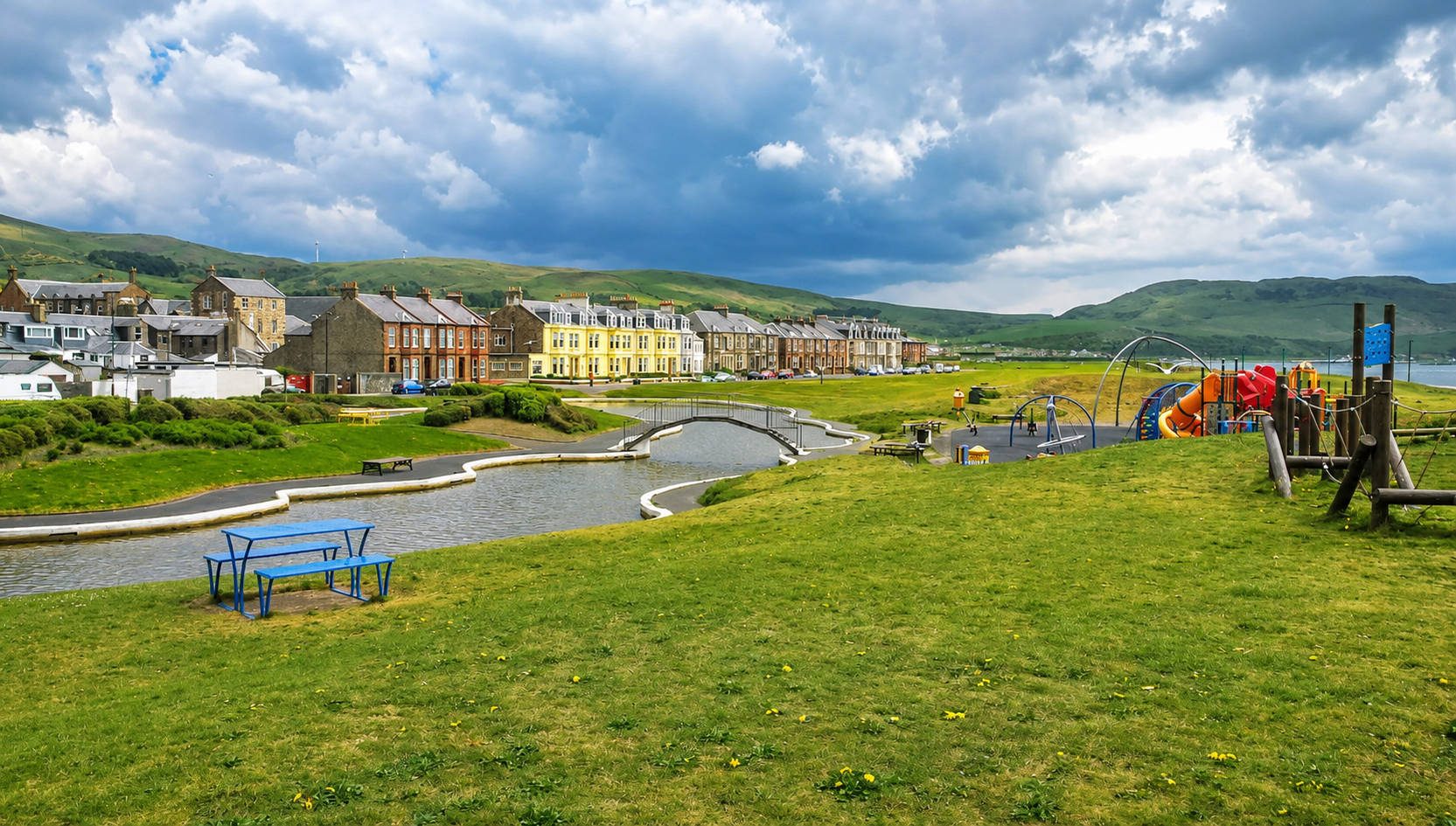
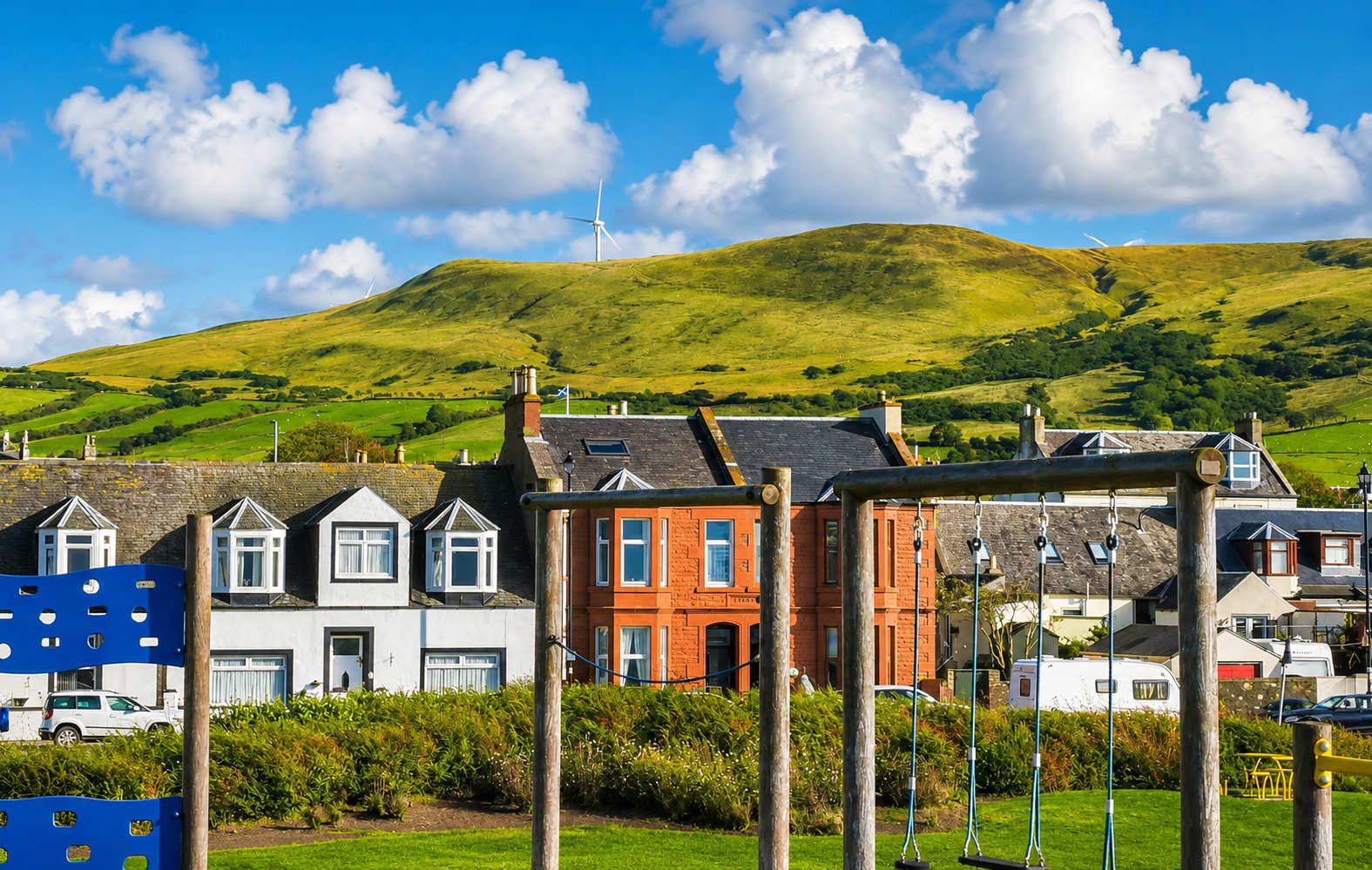
| Everything in one place with children | Girvan beach — play park, pond, toilets, chips |
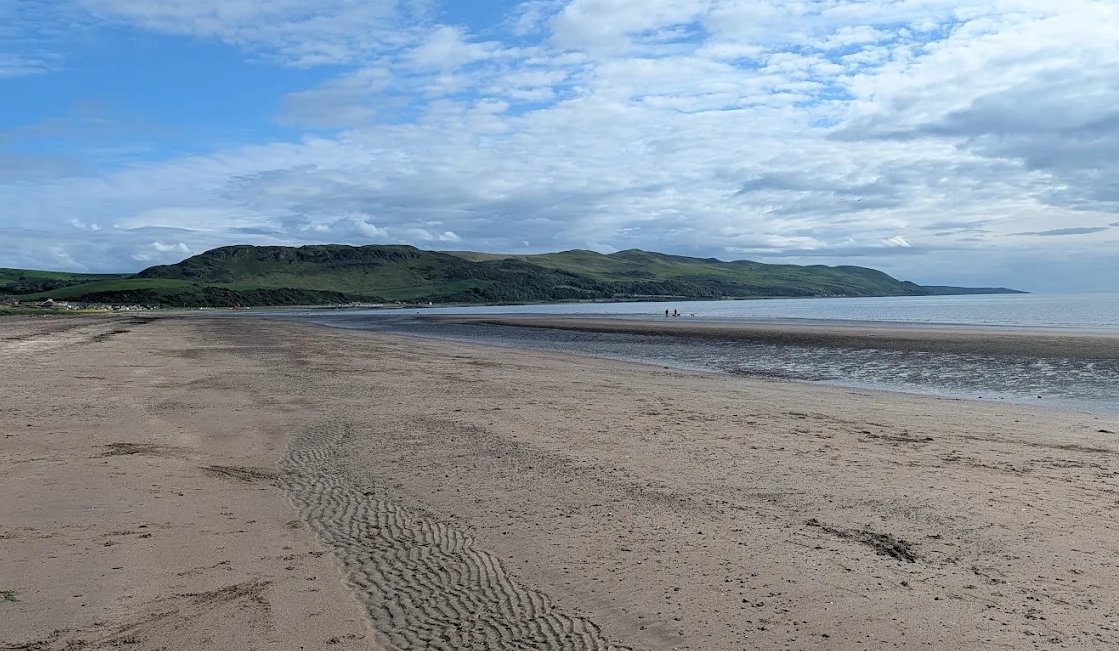
| Wide sand and few people | Croy Shore or Culzean |
| Rock pools | Croy Shore, or the shore at Kennedy's Pass |
| A beach with a lighthouse walk | Turnberry |
| A harbour, a café and sand | Maidens |
| Wild shingle and big skies | Ballantrae |
| Geology you can put your hand on | Lendalfoot |
Tides matter here
More than most coasts, this one changes with the tide. Low tide gives you wide firm sand at Girvan, Turnberry and Croy where high tide leaves you on soft shingle, and it is the only time the rock pools are worth visiting. Some sections of the coastal path are impassable at high water.
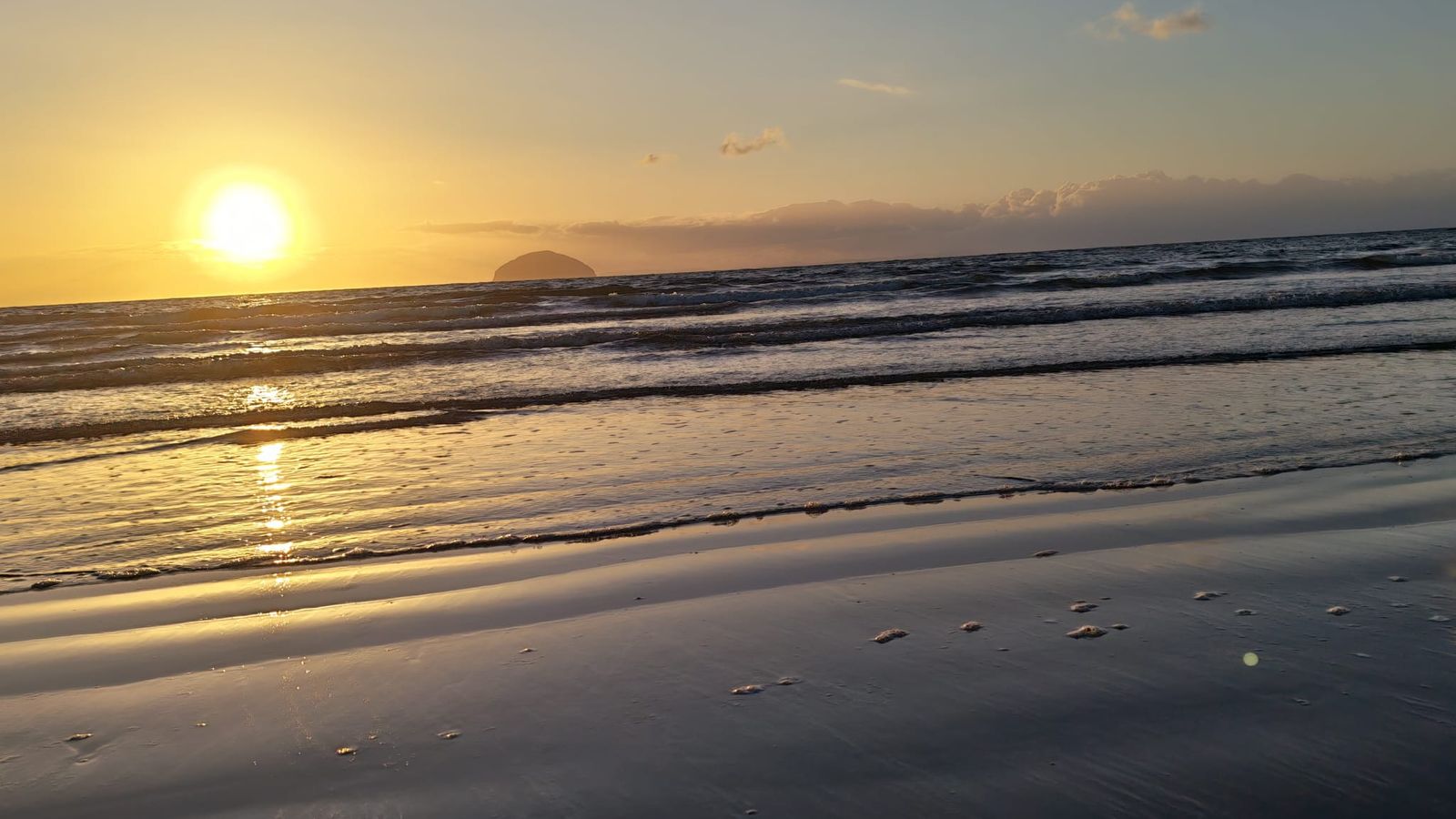
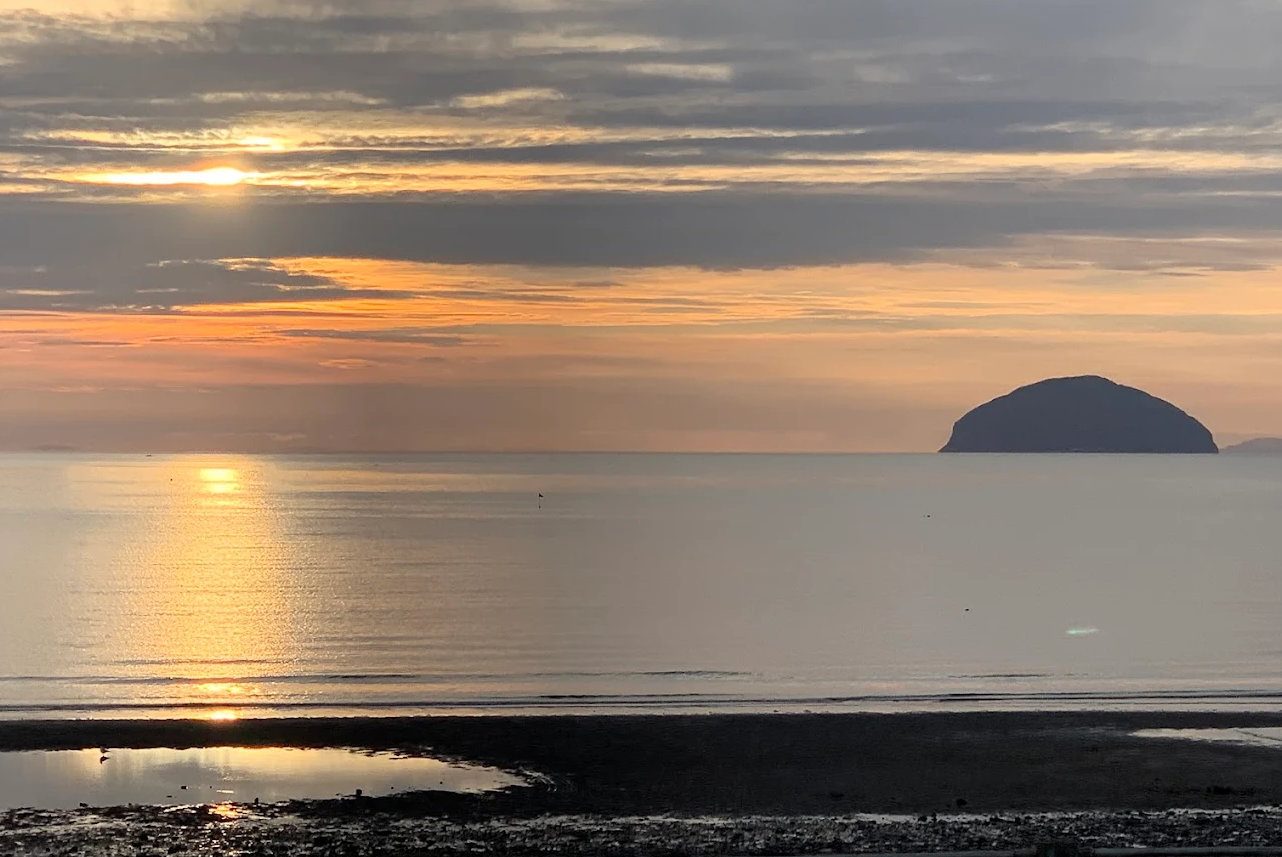
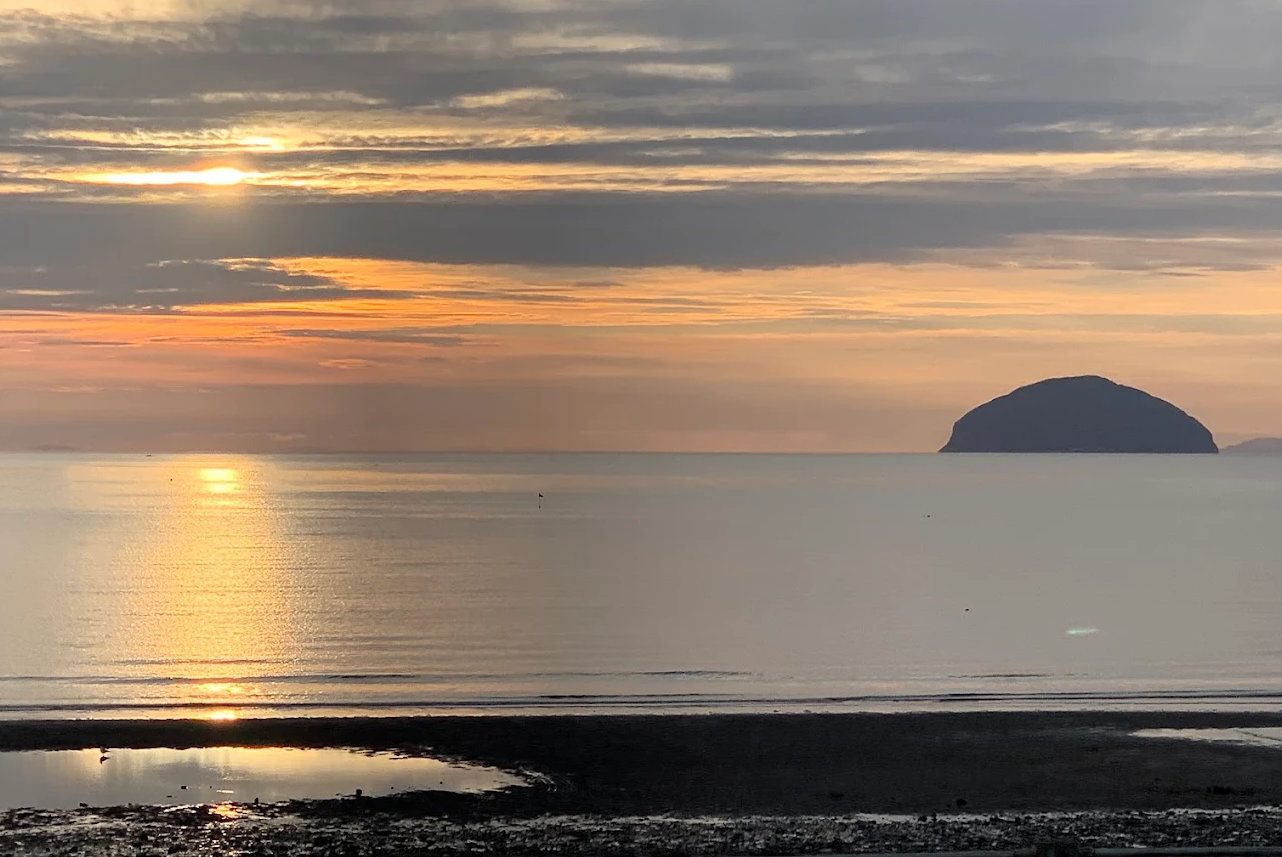
Search for Girvan tide times before a beach day. Low tide in the evening is the ideal: the widest sand and the best light, with the sun going down behind Ailsa Craig.
Safety and dogs
None of these beaches has lifeguards. They shelve gently and are generally safe for paddling, but keep clear of harbour mouths and river outflows, and watch the tide at the rocky ends where you can be cut off.
Dogs are welcome on all of them year-round — there are no seasonal bans on this stretch, which is unusual and worth knowing. See dog-friendly Girvan.
Facilities are thin south of Girvan and non-existent at Croy: no toilets, no shops, no cafés. Take what you need.