The short version: late May and early September are the best two weeks of the year here, and for most people July and August are the worst value. Below is the reasoning, and then the year month by month.
What the climate actually does
Girvan sits in South Ayrshire on the open Firth of Clyde with the Gulf Stream running past it, which makes it milder and windier than its latitude suggests. Summer highs sit around 17°C in July and August. February is the coldest month, with highs around 8°C. Frost and snow are uncommon on the seafront and more likely a few miles inland.
Rain is the thing people get wrong. Coastal Ayrshire gets roughly 1,000mm a year, which is less than most visitors expect, and it usually arrives as showers moving through on the wind rather than as all-day rain. The wettest stretch is late autumn and early winter, with December the wettest month. The driest run is roughly April to June, and May is the sunniest month of the year.
Month by month
| Month | What it is like | Worth knowing |
|---|---|---|
| January | Cold, dark, wild. Highs around 8°C and barely an hour of sun a day | The sea at its most dramatic. Much is shut |
| February | The coldest month. Snowdrops in the glens | Quiet, cheap, short days |
| March | Light returns fast. Gannets back on Ailsa Craig | Boat trips have not started |
| April | Often the first genuinely good weather | Dry, bright, empty. Underrated |
| May | The sunniest month. Gorse out, seabirds on the Craig | Folk festival on the bank holiday. Bathing season opens on the 15th |
| June | Long days, 17 hours of light at the solstice | Still quiet before the schools break |
| July | Warmest, busiest, dearest | Sea still cold. Book ahead |
| August | Warmest sea of the year, late in the month | Busy until the Scottish schools return mid-month, then it empties |
| September | Our pick. Warm sea, low crowds, good light | Bathing season ends on the 15th. Some attractions start closing |
| October | Colour in the Galloway forests, big skies | Boat trips finish. Check opening days |
| November | Wet and dark. The wind picks up | Very quiet. Good for storm watching |
| December | The wettest month, and the shortest days | Christmas lights, and not much else |
What is actually open when
Weather is only half the question. The other half is whether the doors are unlocked.
- Culzean Castle and its country park. The grounds are open all year. The castle itself runs a shorter season, typically spring to autumn, with a limited winter programme. Check before you drive over.
- Ailsa Craig boat trips. Roughly late spring to early autumn, weather permitting.
- Girvan harbour and the seafront. Always open, always free, and arguably better in a January gale than in July.
- Cafés and places to eat. This is where a winter visit bites. Several places in this small seaside town cut their days out of season, and Sundays are the worst of it. Cafés in Girvan lists who does what, but ring ahead.
- Golf. Girvan Golf Course plays all year. Turnberry and the championship links up the coast are seasonal in practice, and winter green fees are a fraction of summer ones.
- Turnberry lighthouse and the coast road. Open in the sense that you can drive and walk it whenever you like.
- The McKechnie Institute. Volunteer-run, so its days are shorter than you would expect. It is the best wet-day hour in town when it is open.
The two weeks we would pick
Late May. The sunniest month, the gannet colonies on Ailsa Craig are at their loudest, the gorse is out on Byne Hill, the bathing season has just opened, and the schools have not broken up. If the folk festival appeals, the May bank holiday weekend is the one to aim for. If it does not, avoid that weekend, because the town fills up.
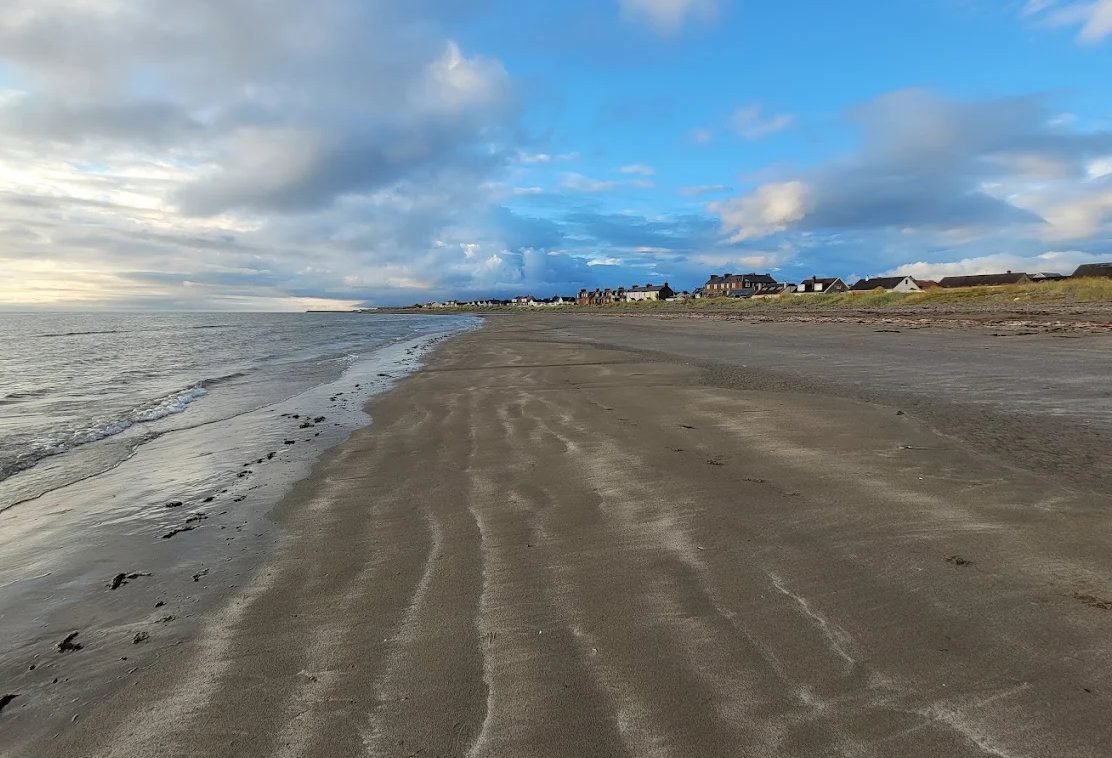
Early September. The sea is at its warmest of the year, which is counterintuitive until you realise it takes the whole summer to warm up. The crowds have gone with the school term. The light in the evenings is the best of the year for photography. The one catch is that the official bathing season ends on 15 September and some attractions start shutting.
When not to come
The middle two weeks of July, if you have any choice, because you pay peak prices for a sea that is still cold and a town that is at its busiest.
November, unless you actively want weather. It is the combination of dark, wet and windy with very little open.
Any Sunday out of season, for eating out. Check before you travel.
The fixed points in the year
Four dates shape when Girvan is busy, and none of them is the weather.
- The Scottish school holidays run roughly from the end of June to the middle of August, which is earlier than the English ones. That is the single biggest driver of how full the town feels, and it is why the second half of August is quieter than the first.
- The May bank holiday weekend brings the Girvan Traditional Folk Festival, running since 1975. Accommodation goes early that weekend.
- The bathing water season runs from 15 May to 15 September, the window in which SEPA monitors and publishes daily quality forecasts for the beach.
- The seabird season on Ailsa Craig runs roughly from spring to late summer, which is also the window in which boat trips make sense.
If you want a specific week and a specific place to stay, the two that need booking furthest ahead are the folk festival weekend and the fortnight around the Glasgow Fair in July. The rest of the year, this coast has more beds than visitors.
If you are coming for one thing
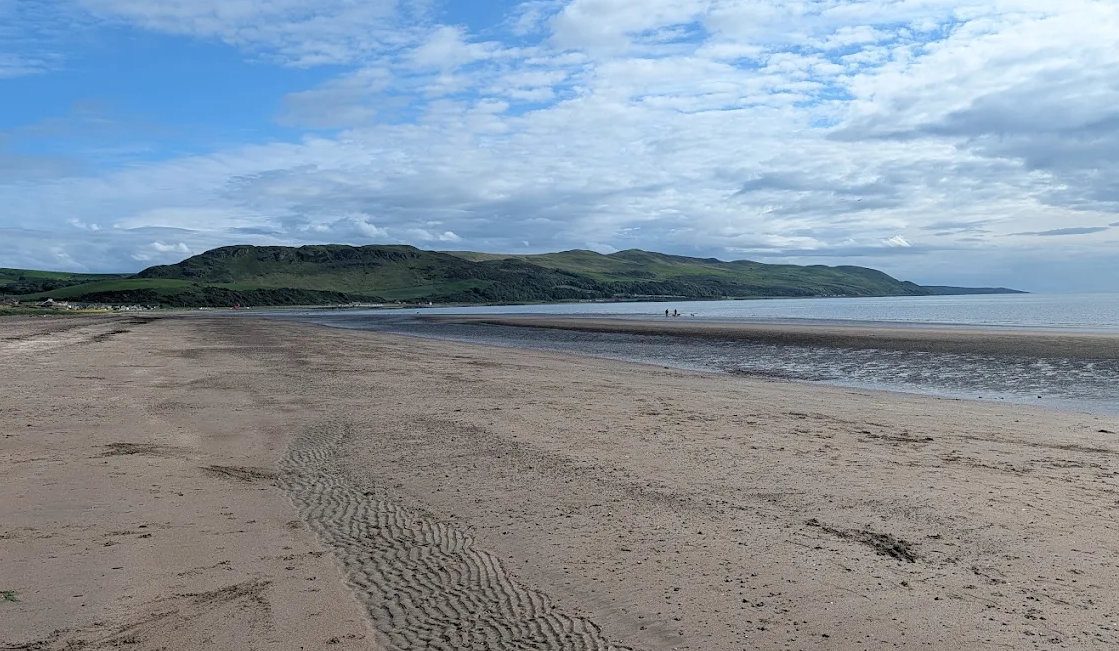
- The beach and swimming: August into early September. The sea is warmest late in August, not in July.
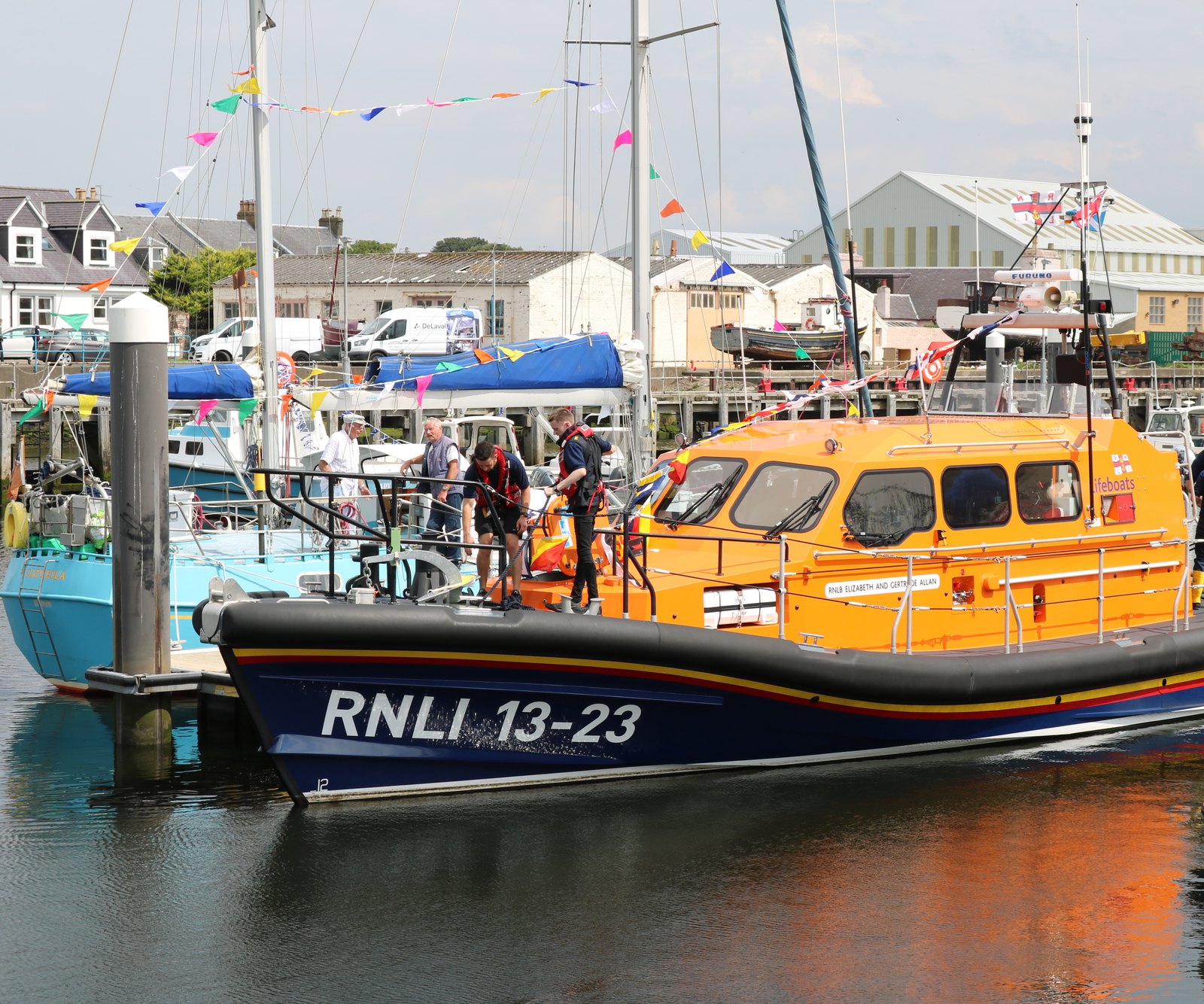
- Ailsa Craig boat trips: roughly late spring to early autumn, weather permitting. See the operators, and expect cancellations.
- Golf: May, June and September. Links courses are at their best and the wind is kinder. Golf near Girvan has the detail.
- Walking: April, May and September. Any walker heading into the Carrick hills behind the town wants the long light and the dry ground of late spring. Midges are a minor issue on this coast compared with the west Highlands, but they are worse in still weather in July and August inland.
- Dark skies: October to February in Galloway Forest Park, because you need genuinely long nights.
- Storms and big seas: November to January, from the promenade, at a safe distance.
See also Girvan in summer, Girvan in winter and events through the year.