Visit GirvanGirvan holiday home
Girvan from the seafront

Outdoors · Nature

Wildlife Around Girvan

A UNESCO biosphere with a gannet island in it.

FreeBinoculars

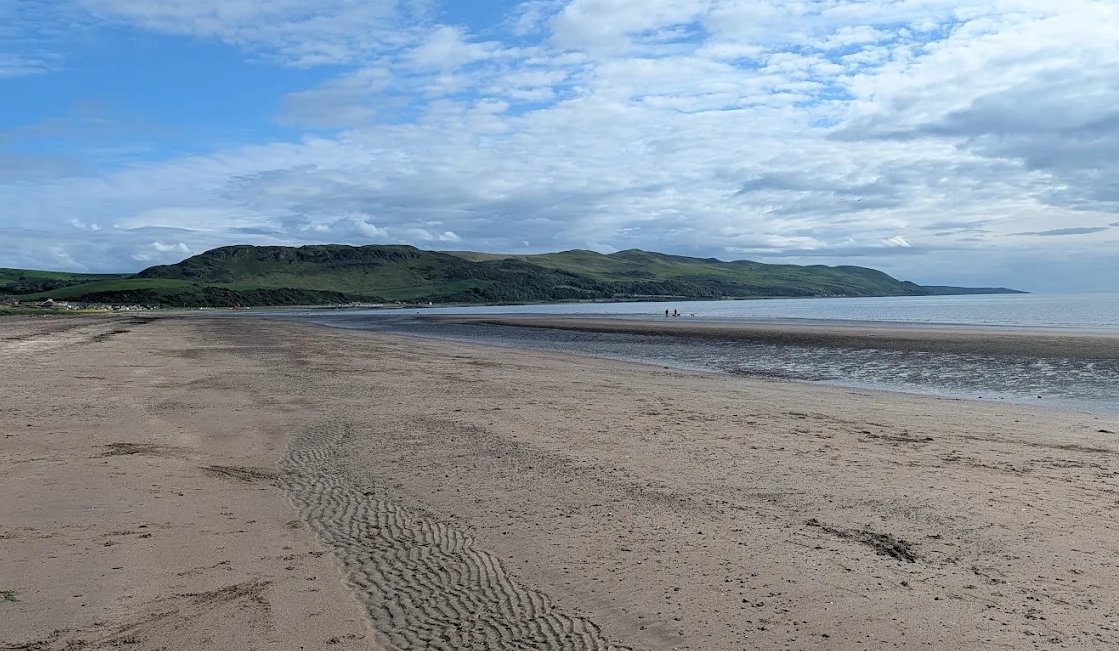
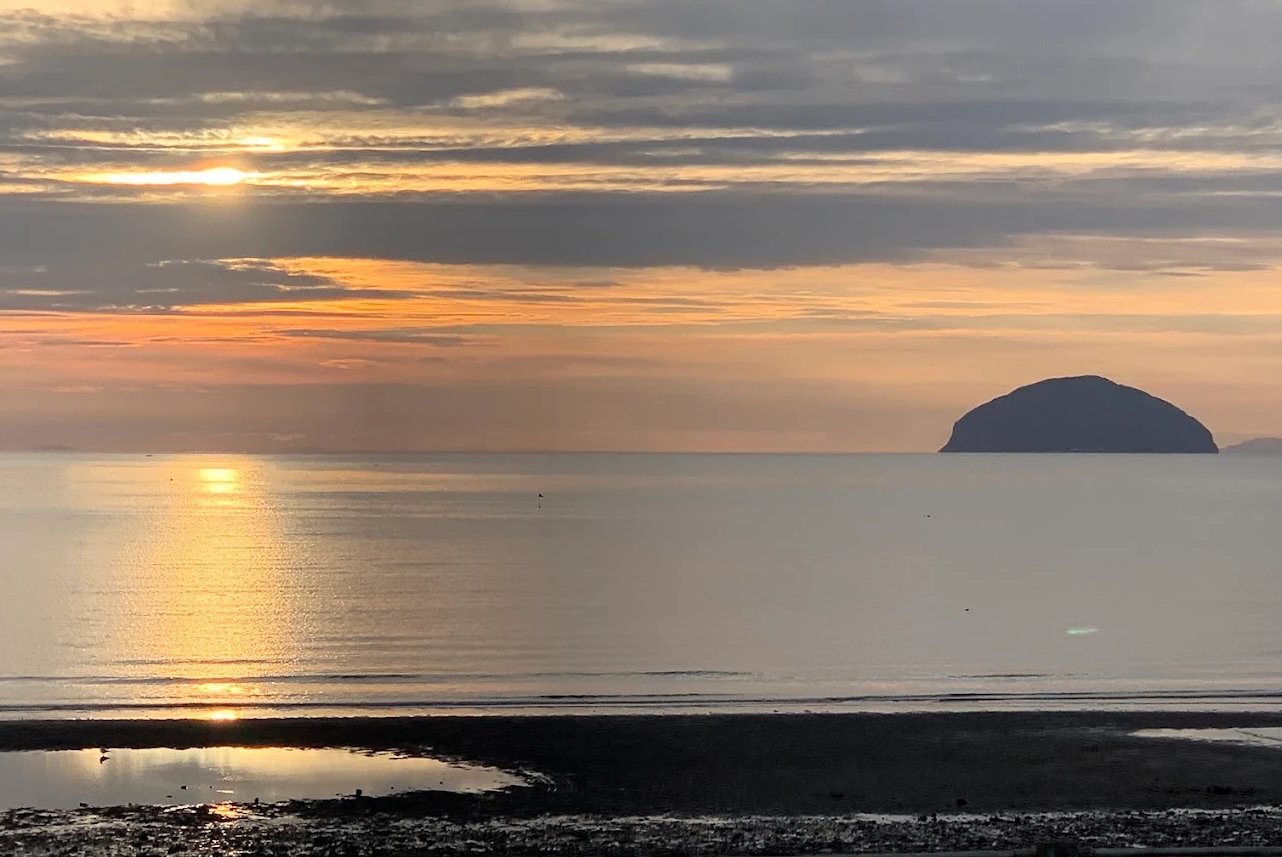
Pictured: Girvan from the seafront — a general view of the area, not of this place.

Girvan sits inside the Galloway and Southern Ayrshire UNESCO Biosphere, and it has a gannet island ten miles offshore. For a small town, the wildlife on the doorstep is exceptional — and most of it costs nothing to see.

Sea and shore

  • Gannets — Ailsa Craig holds in the region of 40,000 breeding pairs, which is well over a hundred thousand birds at the height of the season, and since avian flu hit Bass Rock and St Kilda it is thought to be the largest gannet colony in the British Isles. You do not need a boat: watch them diving off Girvan beach on any summer day.
  • Puffins, guillemots, razorbills, kittiwakes — Ailsa Craig by boat, May to July. Puffins leave earliest, so come early if they are the point. The island's puffins were wiped out by rats and returned after an eradication campaign in 1991.
  • Grey seals — Girvan harbour, the rocks at Ainslie Park, and around Ailsa Craig. Do not feed them.
  • Harbour porpoise, bottlenose dolphin and basking shark — the Firth in summer, with the Ailsa Craig crossing much the best chance. Basking sharks are the one people remember.
  • Waders and wildfowl — Ballantrae's shingle spit and lagoon, the Stinchar estuary and Turnberry Bay, best in winter. Terns nest on the open shingle at Ballantrae in spring and summer, so keep dogs on leads there.
  • Otters — the Stinchar and Girvan rivers at dawn, and Loch Trool. Patience required; most sightings are luck.

Hills and forest

  • Red deer — Galloway Forest Park, with the Red Deer Range on the Queen's Way near Clatteringshaws the reliable place.
  • Wild goats — the Wild Goat Park on the same road.
  • Black grouse — the viewing platform on the Carrick Forest Drive near Loch Riecawr, early morning in spring for the lek. This is a genuinely special thing to see and worth the alarm clock.
  • Red squirrels — the hide at Kirroughtree is among the easiest places in Britain to see them, and the woods at Culzean hold them too.
  • Roe deer, foxes, buzzards and ravens — the old coach road above Kennedy's Pass.

Guided

The Girvan Geology Group and the Biosphere run guided walks through the season. The RSPB has reserves at Ailsa Craig, reachable only by boat, and at the Mull of Galloway, which has a visitor centre with live cameras on the cliff nests.

Watching well

Take binoculars — this is not a place where things come close. Wear muted colours, move slowly and speak quietly; small groups see far more than large ones. Keep dogs on leads near ground-nesting birds and livestock, and never approach seals hauled out on rocks.

See photography for the kit side of it.
Questions visitors ask

Frequently asked

Where can you see gannets near Girvan?

Ailsa Craig holds around 40,000 breeding pairs — possibly the largest colony in the British Isles since avian flu hit Bass Rock and St Kilda. You can watch them diving off Girvan beach on any summer day without a boat.

When can you see puffins?

May to early July, on Ailsa Craig by boat. Puffins leave the colony earlier than the other seabirds, so a late-summer trip may miss them.

Are there seals at Girvan?

Yes — grey seals at the harbour, on the rocks at Ainslie Park and around Ailsa Craig. Do not feed them.

Can you see basking sharks?

In the Firth in summer, with the Ailsa Craig crossing the best chance, along with harbour porpoise and occasionally bottlenose dolphin.

Where are the red squirrels?

The hide at Kirroughtree, about an hour away, is among the easiest places in Britain to see them, with feeders stocked outside. The woods at Culzean hold them too.

Where can you see red deer?

Galloway Forest Park, with the Red Deer Range on the Queen's Way near Clatteringshaws the reliable spot. Wild goats are on the same road.

What is the black grouse lek?

A spring display by male black grouse, watchable from the viewing platform on the Carrick Forest Drive near Loch Riecawr. Early morning, and worth the alarm clock.

Keep exploring

Related pages

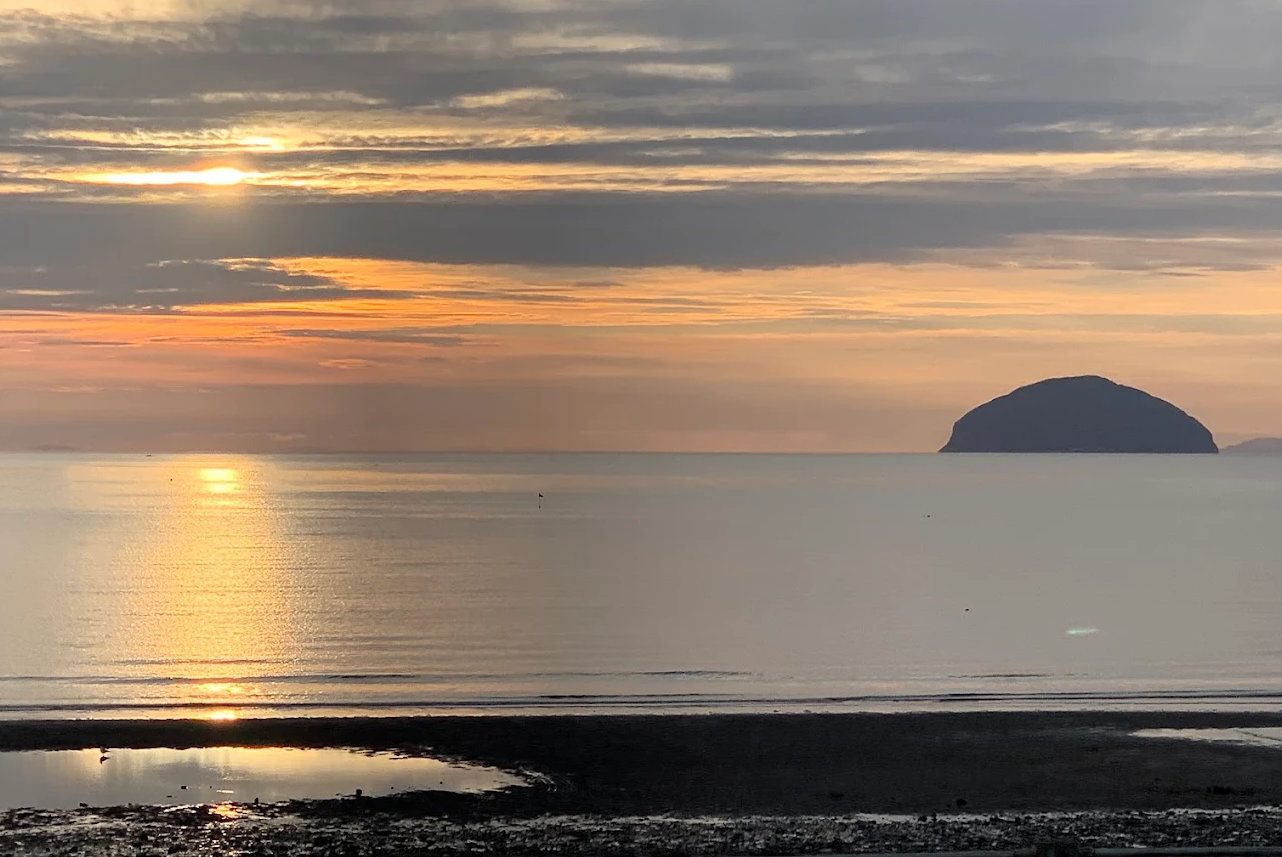
Ailsa Craig silhouetted at sunset from Girvan beach

Ailsa Craig

Everything about Ailsa Craig, ten miles off Girvan: how to get there, the gannet colony, the curling-stone granite, the Stevenson lighthouse, the Catholic plot of 1597, the rats that wiped out the puffins and the campaign that brought them back.

10 miles · about 1 hr by boatBoat tripWildlife
Sunset behind Ailsa Craig

Ballantrae Beach

Ballantrae's beach is shingle rather than sand, and its glory is the long spit the River Stinchar has thrown across its own mouth — a brackish lagoon, ground-nesting birds and big skies, twelve minutes south of Girvan.

13 miles · 20 minFreeWildlife
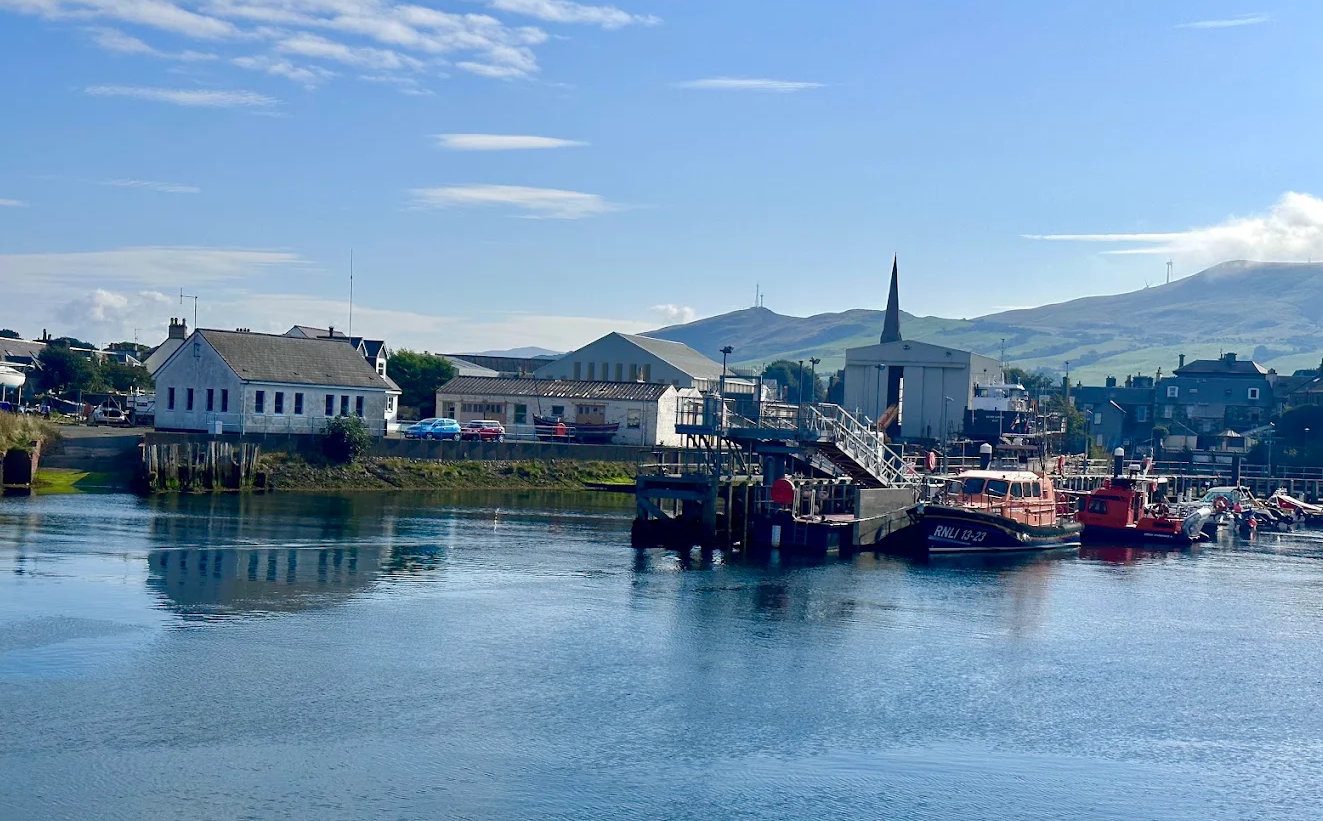
Girvan harbour

Galloway Forest Park

Britain's largest forest park — 300 square miles, 250 lochs, the Merrick and the UK's first Dark Sky Park. How to reach it from Girvan by the two quiet back roads, what is at each visitor centre, and what is open in 2026.

17 miles · 35 minFree (parking charges)Outdoor
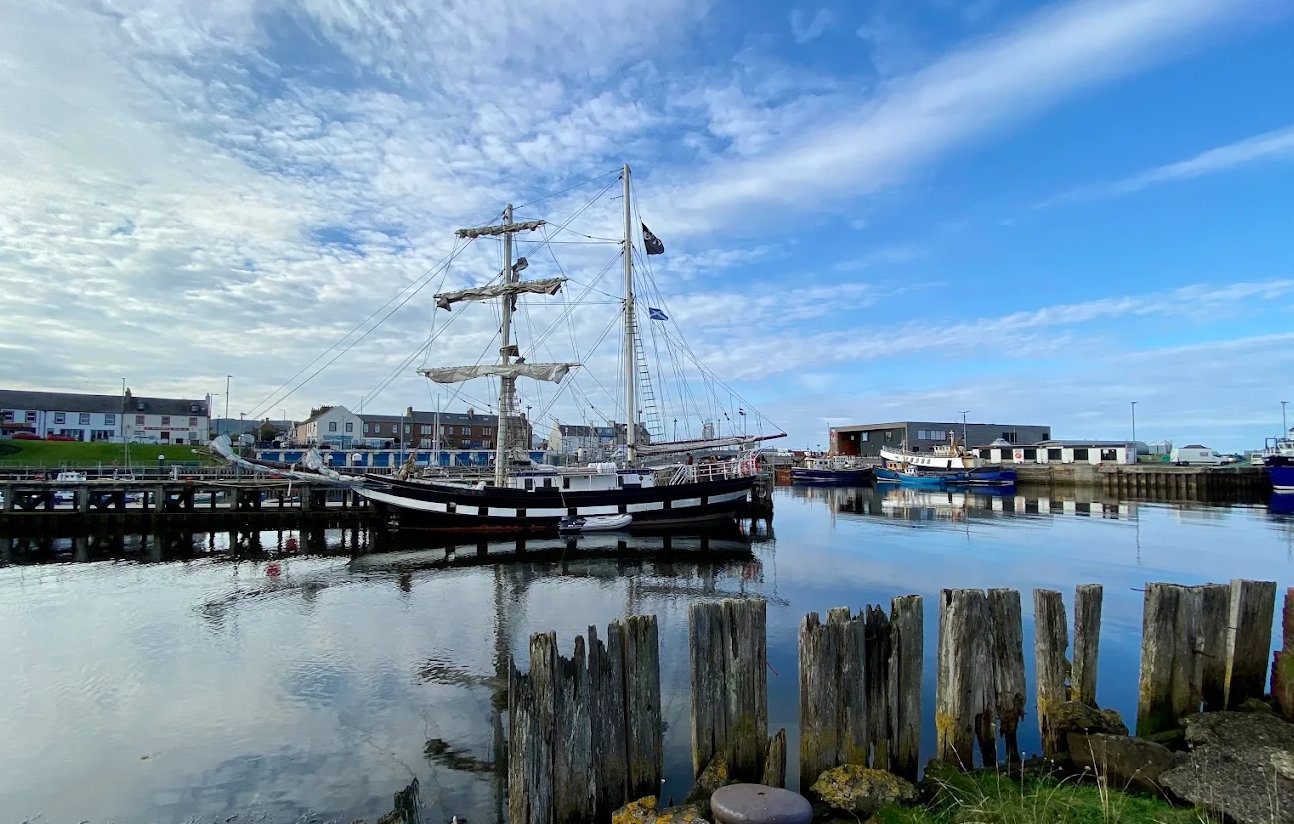
Girvan harbour

Mull of Galloway

The Mull of Galloway is the southern tip of Scotland — a Stevenson lighthouse with 115 steps, an RSPB reserve on 260-foot cliffs, a glass-fronted coffee house on the edge, and views to Ireland, the Isle of Man and Cumbria. Entry by donation.

55 miles · 1 hr 20 minDonation entryOutdoor
Girvan beach looking south

Kirroughtree

Kirroughtree, three miles from Newton Stewart, is Galloway Forest Park's best-equipped visitor centre — a wildlife hide famous for red squirrels, four waymarked walks, world-class 7stanes mountain biking, bike hire and a café.

34 miles · 55 minFree (parking charge)Family
Photography Locations Around Girvan

Photography spots

A west-facing coast with one iconic island on the horizon, two lighthouses, castles on cliffs and Gold Tier dark skies — the best photography locations around Girvan, with timing, light and kit notes.

SunsetsLandscapes