Every visitor to Turnberry has heard of the Ailsa. The King Robert the Bruce is the course they play the next day, at a quarter of the price — and a surprising number say afterwards they preferred it.
It is a genuine championship links of 7,203 yards, in Golf Digest's World 100 Greatest, over land where the king it is named for was born in 1274.
Four courses in one
This course has been rebuilt more often than almost any other in Scotland, and untangling the lineage explains what you are playing.
1901 — the beginning. Lord Ailsa commissioned Willie Fernie to lay out the first links here. A second course followed in 1909.
The war. Both were destroyed when the land became RAF Turnberry. Mackenzie Ross rebuilt the Ailsa, reopening it in 1951; a nine-hole course called the Arran was later laid out on part of the old second-course ground, reopening in 1954. For decades the Arran was the modest appetiser before the main event.
1999–2001 — the Kintyre. Donald Steel was commissioned to turn the Arran into a full championship eighteen. Several Arran holes were absorbed, the routing was pushed out onto the high ground of Bain's Hill for the first time, and the result opened in 2001 as the Kintyre. Working alongside Steel on that project was a younger architect named Martin Ebert.
2017 — the King Robert the Bruce. After the Trump Organization bought the resort in 2014 and the Ailsa rebuild drew worldwide praise, the Kintyre was next. Ebert — now the leading name in Open-venue redesign — came back to rework his own earlier project, with the construction by SOL Golf. It reopened in 2017 under a new name honouring the king raised at Turnberry Castle who took the throne in 1306.
So: Fernie, then Ross, then Steel, then Ebert twice. Not much links land has been argued over so thoroughly.
What Ebert changed
The footprint is broadly the Kintyre's, but every hole is either new or significantly modified. Three changes matter most.
- Four completely new holes on Bain's Hill. This is the high ground Steel first brought into play, and Ebert built out onto the cliffs above Kintyre's Cove.
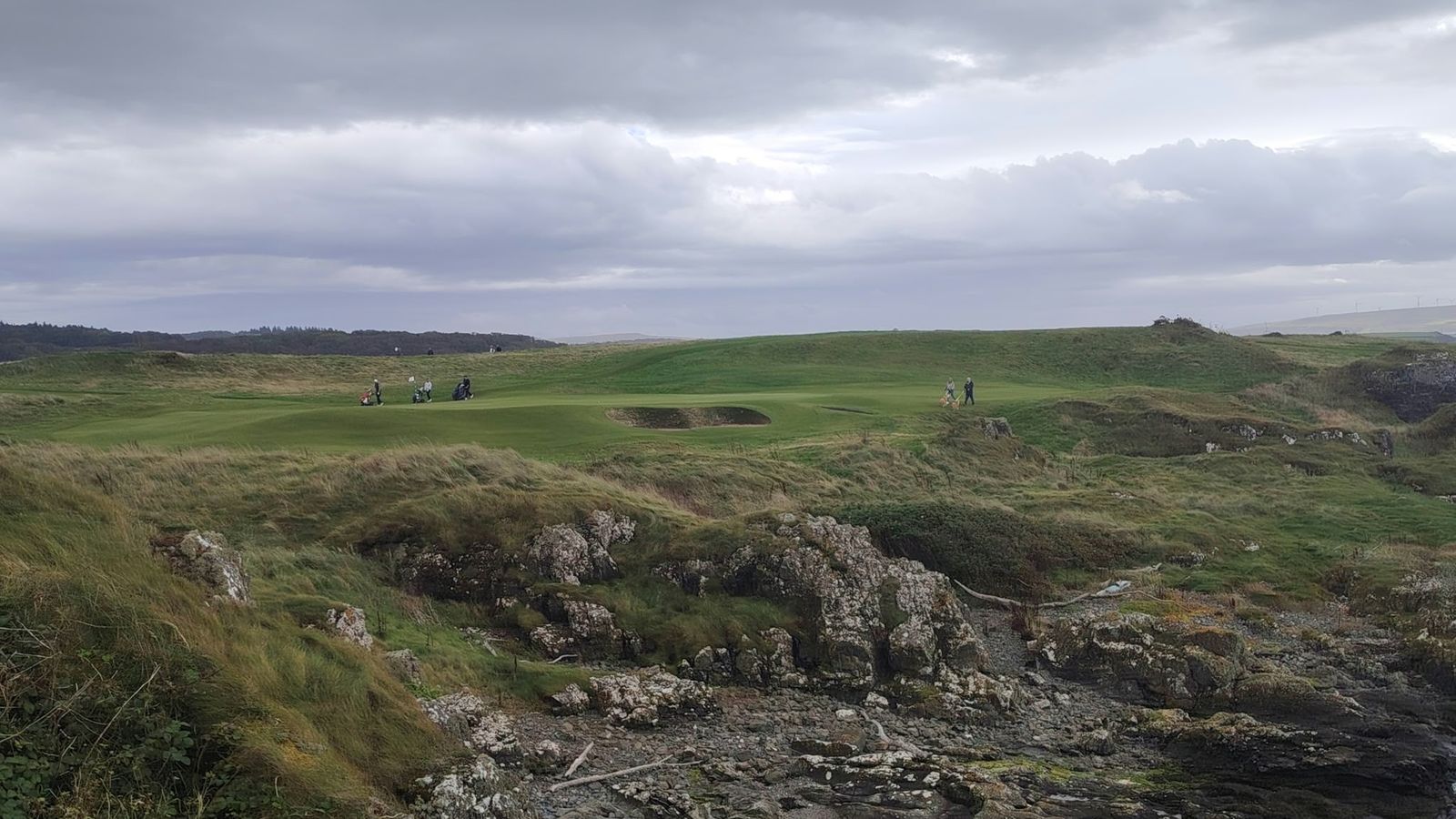
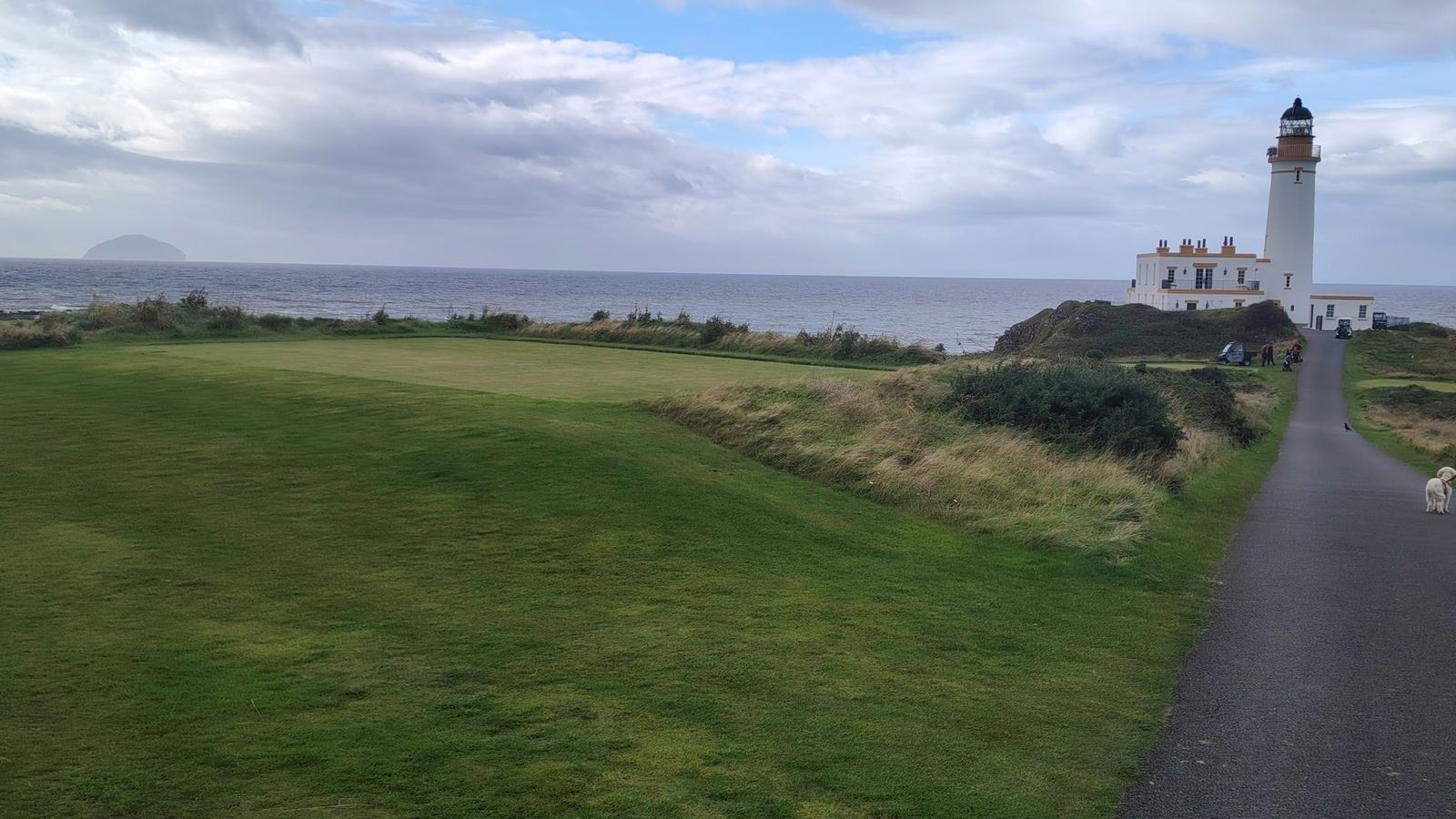
- He reversed the order of play around the turn. Where the Kintyre ran down towards the cove, players now turn left at the top of Bain's Hill and play towards the lighthouse, pivot, come back up the clifftop ninth, and head inland on a new par three. The short par-four eighth — by all accounts a hole golfers either loved or loathed — was removed entirely.
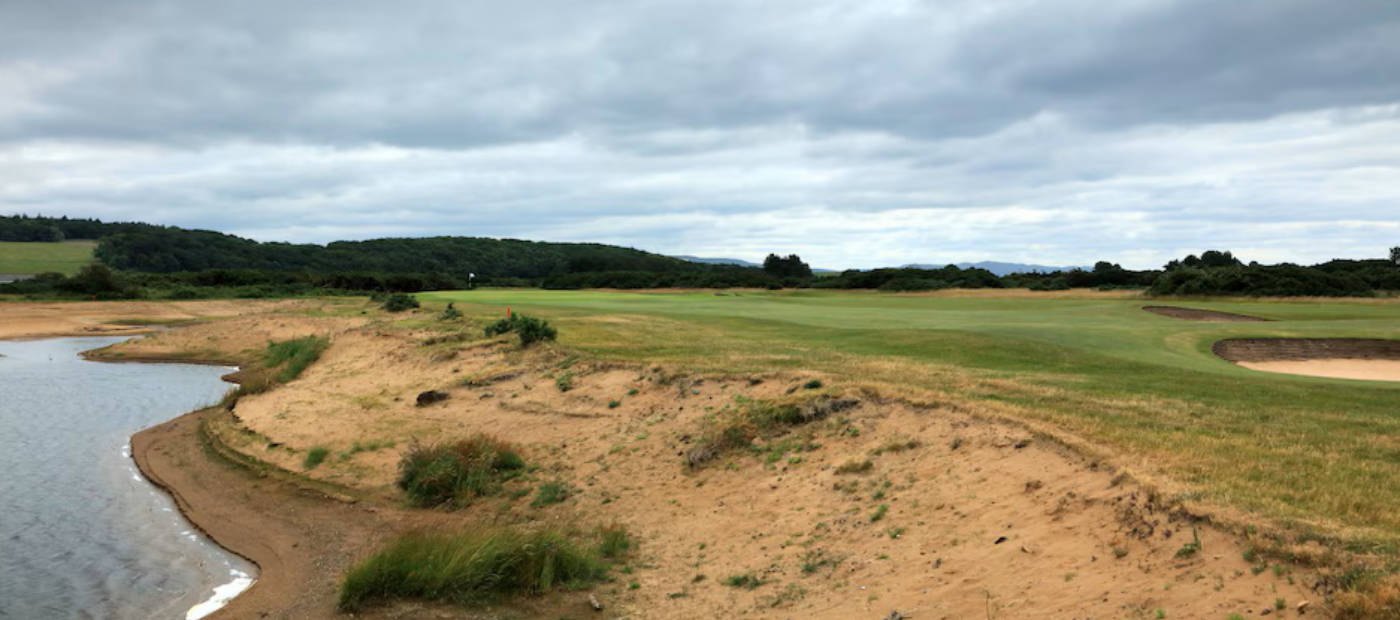
- Gorse became water. Areas of dense gorse were replaced with wetland, creating a genuine water hazard in play on several holes. It is a change you notice: sandy waste, reeds and open water where there was once solid whin.
The ninth
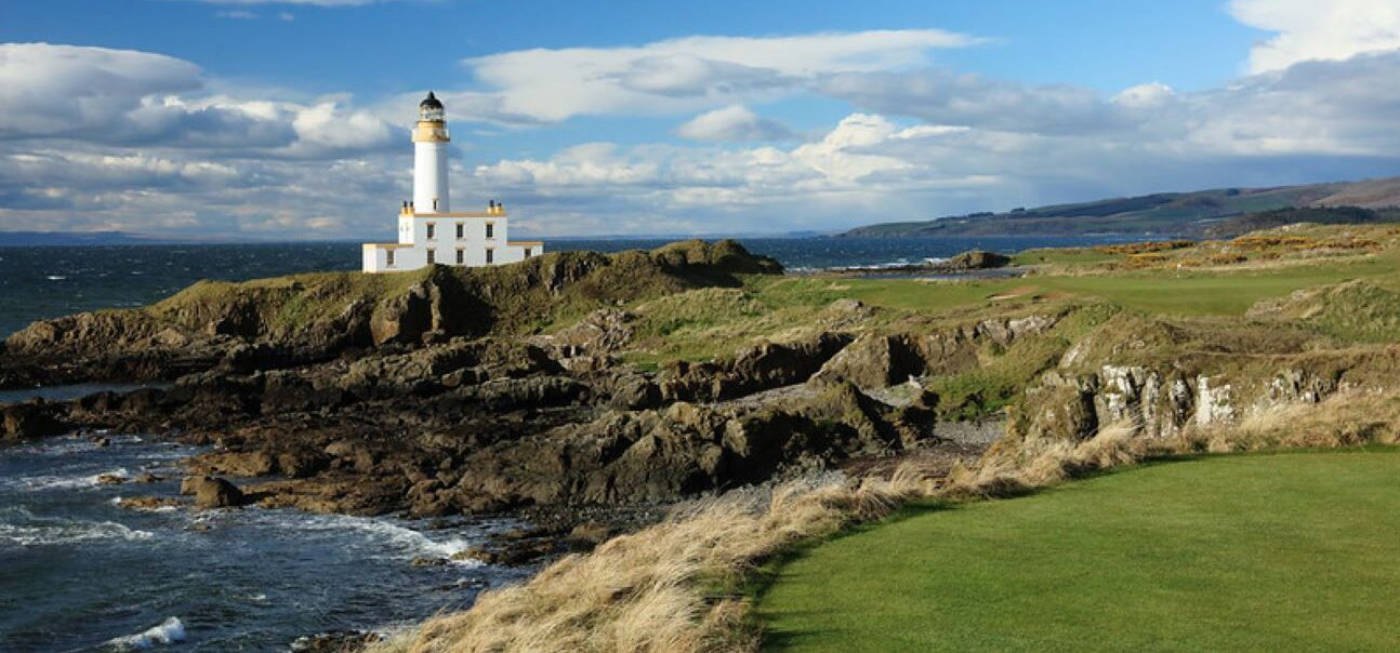
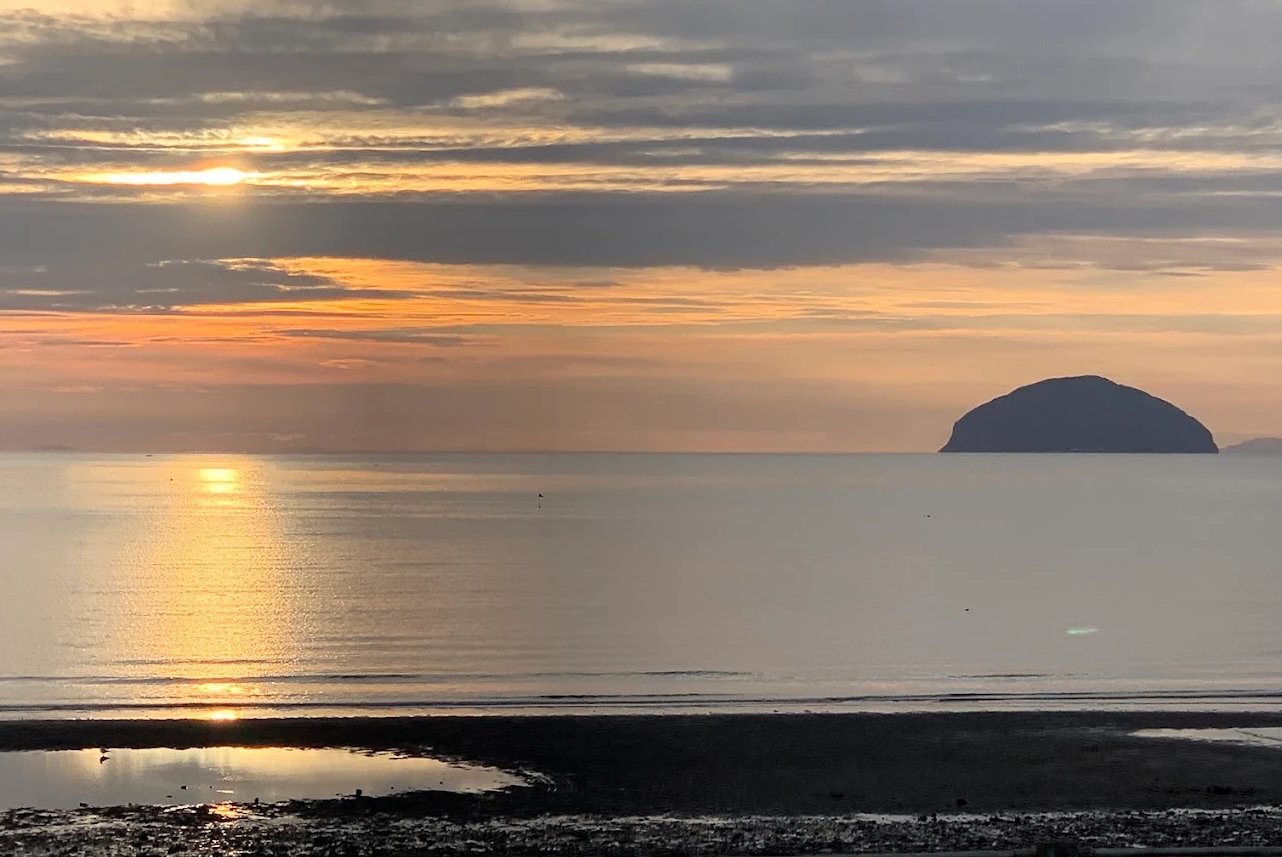
The clifftop ninth is the shot people cross oceans for: a green cut into the cliff edge above Kintyre's Cove, the sea breaking below, Ailsa Craig offshore and the Mull of Kintyre across the water. The approach is genuinely risky — there is no bail-out on the seaward side — and it is the hole that lifted this course from a pleasant second eighteen into a destination in its own right.
Playing it
The course is a shape: the opening and closing stretches run over flattish inland ground with gorse-lined fairways, and the middle section on the cliffs is where it comes alive. Some golfers find that unbalanced; most find the contrast makes the clifftop holes land harder when they arrive.
It is a touch wider off the tee than the Ailsa, with contoured greens and the same views of the lighthouse and the Craig. The gorse is less punishing than it used to be, but it is still gorse — miss badly and the ball is gone.
Fees, rates and how to pay less
The resort publishes rates through its booking engine rather than as a fixed tariff. Independent guides put the peak non-resident fee at around £250 for high season (roughly June to September), with hotel residents paying less and cheaper afternoon and shoulder-season times available.
In August 2025 Turnberry introduced a Scottish Resident rate of £500 per fourball — £125 a head for a world top-100 links, bookable with proof of a Scottish address. Winter rates are lower still.
One practical advantage over the Ailsa: buggies can be hired here (from £65) and driven by the player, where the Ailsa allows them only on medical grounds and with a caddie driving.
The resort's other golf
- The Arran — the nine-hole course survives as a genuine hidden gem, a mix of par threes and par fours with all the hallmarks of proper links golf and an excellent introduction to the game. It has been undergoing renovation; ask when booking whether it is open.
- The Wee Links — pitch-and-putt beside the clubhouse, ideal for families, beginners and non-golfers.
- Golf Academy — TrackMan simulators, PGA tuition, practice areas and the Cairngorms putting green.
Who it suits
Mid-handicappers who want the Turnberry coastline without the Open price. Second-day golfers who found the Ailsa's fee hard to justify twice. Anyone who needs a buggy. And above all Scottish residents in a four — at £125 a head this is one of the best-value top-100 rounds in the country.
Practical
Same clubhouse, pro shop, hire and dress code as the Ailsa — see that page for the detail. Twelve minutes from Girvan; dinner at Wildings in Maidens is two miles away; the free lighthouse walk gives non-golfers the same coastline.
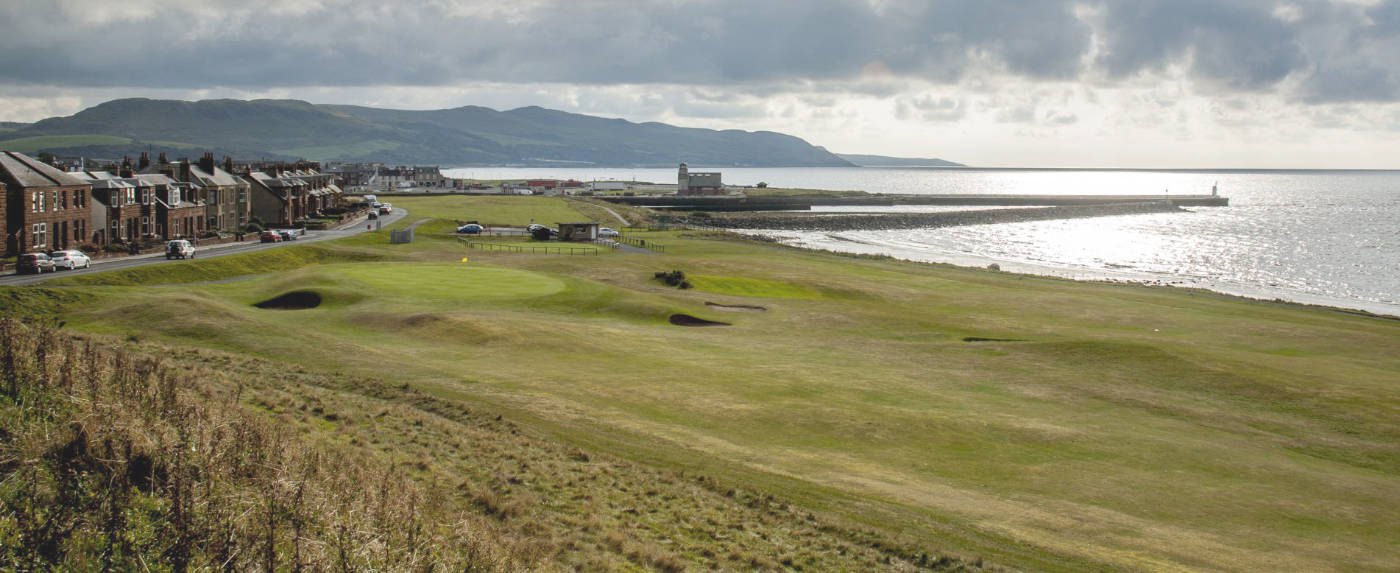
For a warm-up at the other end of the price scale, Girvan's own James Braid links is around £30.