On the flat moor between the Machrie Water and the hills on Arran's west coast, a Bronze Age community raised at least six stone circles around four thousand years ago. They are still there: rings of granite boulders and, most strikingly, tall red sandstone pillars standing alone against a wall of mountains.
It is the most atmospheric prehistoric site on the Firth of Clyde, and it is completely free.
What is there
The circles vary — some are low granite boulders, one has three surviving sandstone monoliths standing over five metres tall. Excavation has shown that earlier timber circles stood here before the stone ones, and there are burial cairns, hut circles and field systems across the moor. This was a working, inhabited landscape, not an isolated monument.
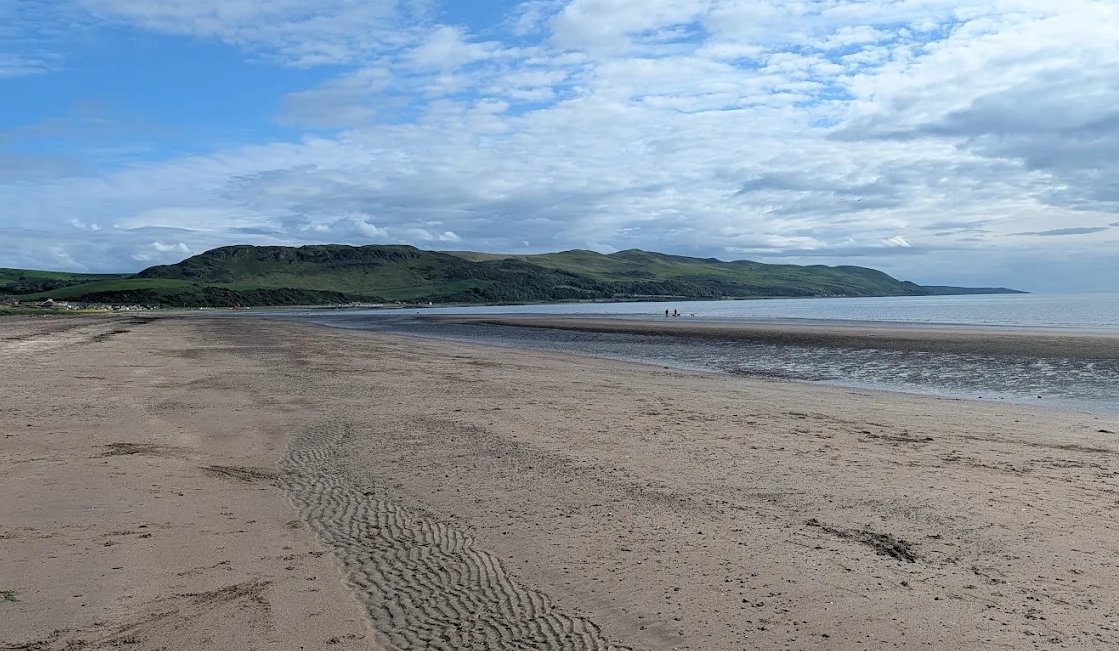
The setting does most of the work. Goat Fell and the Arran mountains rise behind, the moor is open and boggy, and on a quiet day there is nobody there at all.
Getting to it
The site is about a mile and a half from the road, reached by a farm track from the A841 on the west coast near Machrie. Allow an hour to an hour and a half there and back, plus time at the stones.
The track is rough and the moor is wet underfoot for most of the year — wear boots, and do not attempt it in trainers after rain. There are no facilities, no interpretation boards of any substance and no shelter.
Fitting it into a day
Machrie is on the west coast, and the ferry lands at Brodick on the east — so this needs a car, a bus or a bike, and it is not a walk from the pier. On a day trip it competes directly with Brodick Castle and Goatfell for your time.
If you are staying on Arran, or doing the full island road, it is unmissable. If you have six hours between ferries, think carefully. See our Arran day trip for the timings.