Roland, Lord of Galloway, founded Glenluce for Cistercian monks in 1190, in the valley of the Water of Luce two miles from the village, on the road between Stranraer and Newton Stewart. The Cistercians chose remote, well-watered valleys by rule, and this is a textbook example: quiet, green and out of the way.
The chapter house
Most of the abbey is footings and fragments, but the chapter house survives largely intact — and it is the reason to come. Built in the early 1500s, it keeps its ribbed vault, its central pier and its tiled floor, and the acoustics inside are remarkable. It is one of the best-preserved chapter houses anywhere in Scotland, and standing in it gives you a far better sense of monastic life than a hundred yards of ruined wall.
Beyond it, the plan of the church and cloister can be traced, and there are decorated floor tiles and carved stones on display.
The wizard
Glenluce collected a legend: that Michael Scot, the 13th-century scholar and reputed wizard, lured a plague into the abbey grounds and trapped it in a vault, where it died. Michael Scot was a real and formidable figure — a translator of Aristotle who served the Holy Roman Emperor — and he attracted stories of this kind across southern Scotland.
Visiting
Historic Environment Scotland runs the site, and it has historically opened seasonally. HES has also been carrying out a national high-level masonry inspection programme which has restricted access at a number of its sites, including Crossraguel up the coast — so check the HES listing for current access and opening before travelling.
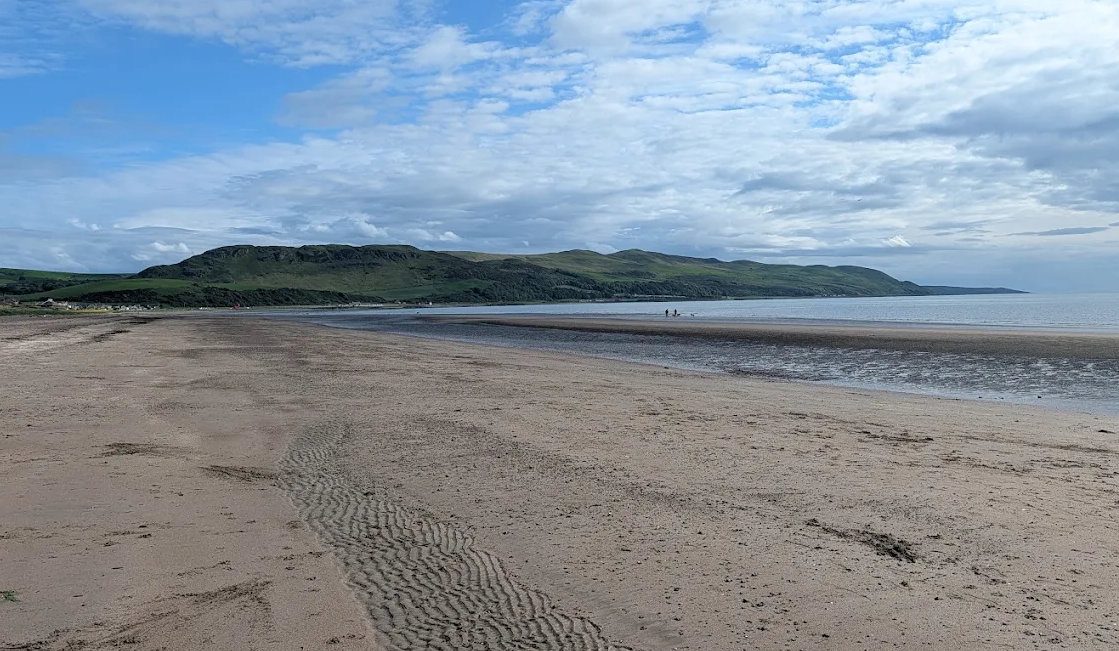
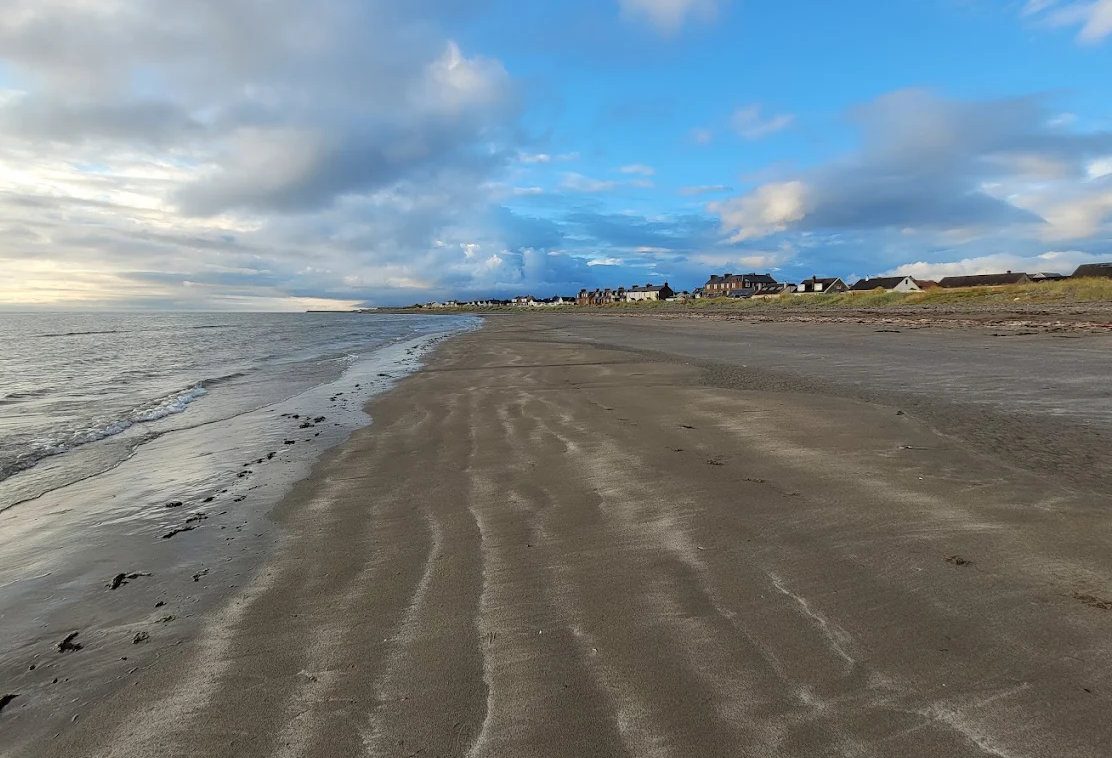
About 50 minutes from Girvan, and a natural stop on a Rhins or Galloway day with Sandhead and Luce Bay at the head of the bay just south.